Sevilla is a fascinating city located in southern Spain, with a long and rich history. It has been inhabited and influenced by various cultures over thousands of years, including the Roman, Muslim and Christian eras.
Must-see monuments in Seville
The Cathedral of Seville is the largest Gothic cathedral in the world and has been declared a World Heritage Site by UNESCO. It has the particularity of housing in its interior the tomb of Christopher Columbus. This is due to the fact that at that time Seville was one of the main port and commercial cities of Spain, from where many of the voyages of discovery were made.
Another iconic monument is La Giralda, a famous bell tower that was originally built as a minaret of a mosque. From the top there are spectacular panoramic views of the entire city.
The Real Alcazar of Seville is an impressive royal palace built in various architectural styles such as Mudejar, Gothic, Renaissance and Baroque. Like the Cathedral, this site has been named a World Heritage Site by UNESCO.
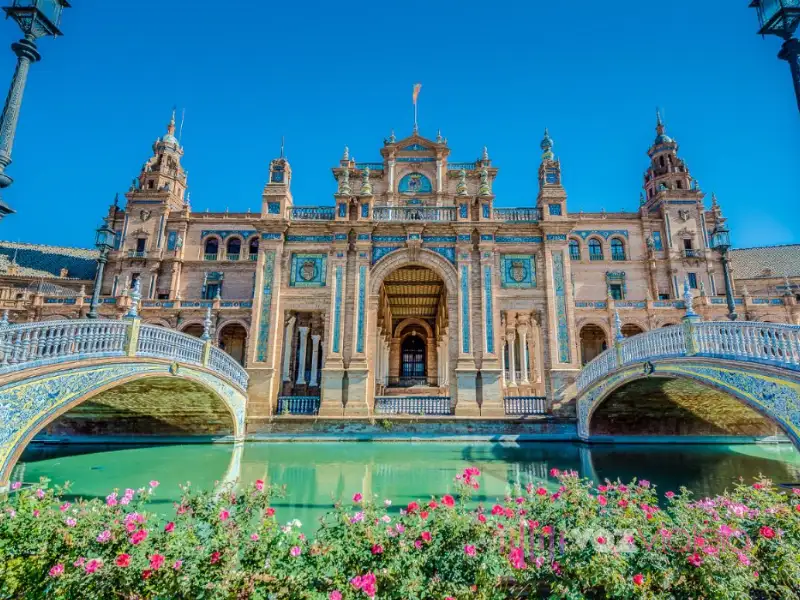
The Plaza de España has become a symbol of the city. This majestic construction of regionalist style was designed by the architect Aníbal González for the Ibero-American Exposition of 1929. Its beauty and historical importance led it to be declared a World Cultural Heritage Site in 1984.
Finally, the Metropol Parasol or the popular “Setas de Sevilla” is a modern architectural structure made of wood located in the heart of the city, in the Plaza de la Encarnación. It is one of the largest wooden constructions in the world, with an innovative and avant-garde design that resembles huge mushrooms.
Exquisite typical Sevillian gastronomy
Sevillian cuisine has delicious traditional dishes among which stand out:
- Gazpacho, a refreshing cold tomato-based soup.
- The pescaíto frito, with a variety of battered and fried fish.
- Salmorejo, a creamy cold soup similar to gazpacho, but with a thicker texture.
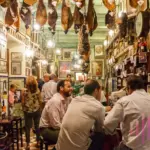
Also characteristic are the varied tapas, those small portions of food served in small plates that are enjoyed as a snack.
As for drinks, Seville is known for its sherry wines and the typical rebujitos, a cocktail based on Manzanilla wine and soda that is traditional to drink during the April Fair.
Unique celebrations and traditions
Seville has famous celebrations and traditions, among which stand out:
Seville’s Holy Week is considered one of the most spectacular in the world, with impressive processional parades and religious pasos that run through every street.
The Feria de Abril, also called Feria de Sevilla, is one of the most emblematic festivals in Spain. Held after Easter, it lasts several days and attracts tourists from all over the world interested in experiencing the true Spanish culture.
World cradle of flamenco
Seville is known worldwide for being the birthplace of flamenco, a traditional Spanish musical genre and dance. If you visit the city, you can’t miss a flamenco show for an authentic experience.
Climate to consider
Seville’s climate is Mediterranean, with very hot summers and mild winters. July and August are the warmest months, with temperatures exceeding 35°C (95°F). If you plan to travel at that time, you should take this into account to get the most out of your visit.
As you have seen, Seville is a lively city full of history, art, gastronomy and folklore that enchants its visitors. There are still many more secrets to discover, don’t miss them!