
Pompeii is an ancient Roman city that was buried under volcanic ash during the eruption of Mount Vesuvius in 79 AD. The city is incredibly well-preserved and offers a window into the past of everyday life in ancient Rome. Visitors can walk along the cobblestone streets and see buildings, frescoes, and artifacts that have been preserved intact since antiquity. It is a unique place to experience history.
All audio guides in Pompeii
Map of Pompeii
Each pin is an audio guide. Tap one to open it.
About Pompeii
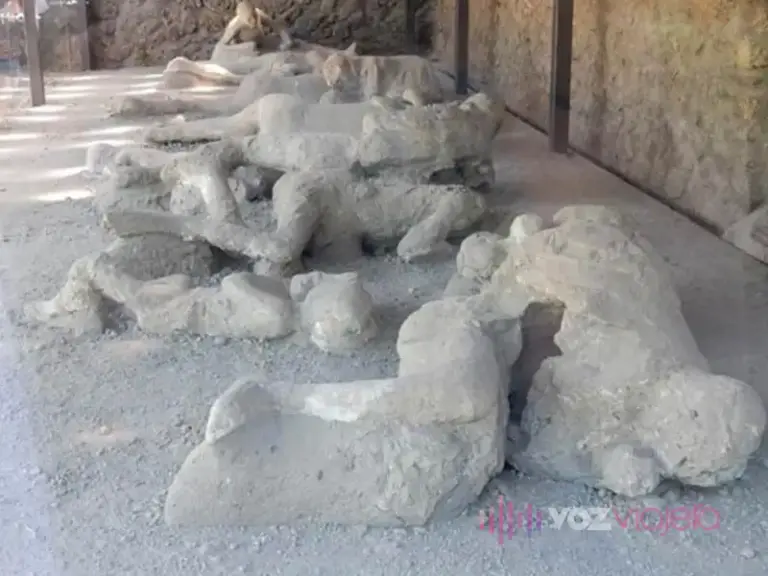
Pompeii: History and Wonders: A Journey to the Roman Past. Pompeii, a historical jewel nestled in the heart of Italy, offers visitors a unique window into the past of ancient Roman civilization. This once-thriving and vibrant city was frozen in time under more than 20 feet of volcanic ash following the catastrophic eruption of Mount Vesuvius in 79 AD.
Founded in the 6th century BC, Pompeii flourished as a port city and a prominent center of trade in the Campania region, home to around 20,000 inhabitants.
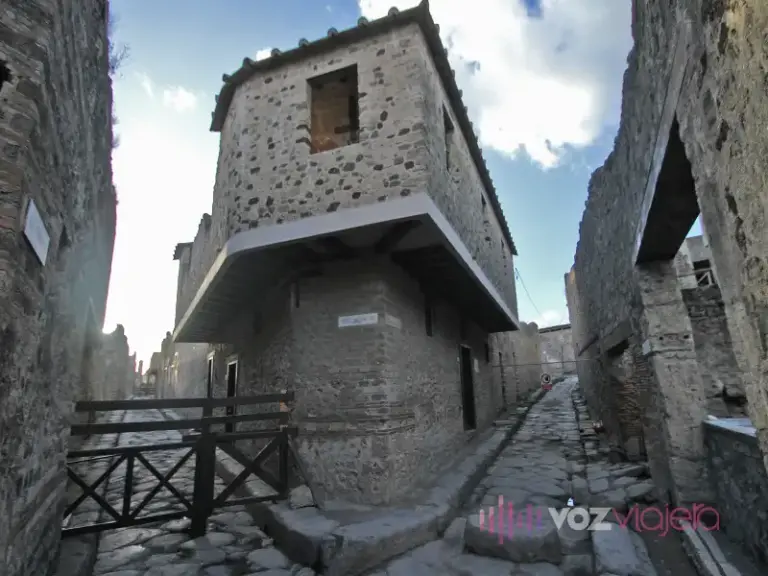
The discovery of Pompeii in 1599, after remaining hidden for nearly 1,700 years, marked the beginning of a series of excavations that revealed an astonishingly preserved snapshot of life in ancient Rome. Today, walking through the streets of Pompeii is an exciting and evocative journey to the 1st century AD, where cobblestone streets, houses decorated with mosaics and frescoes, and vestiges of everyday life offer an unprecedented perspective on Roman culture.
Exploring Pompeii: Must-See Sites and Hidden Treasures
Spanning over 66 hectares, the archaeological site of Pompeii is vast and brimming with wonders. To capture the essence of this ancient city, there are places you simply cannot miss:
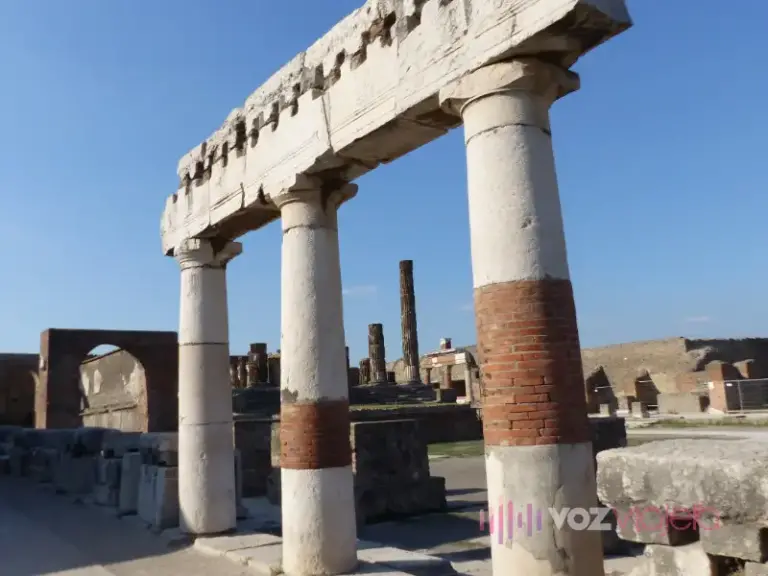
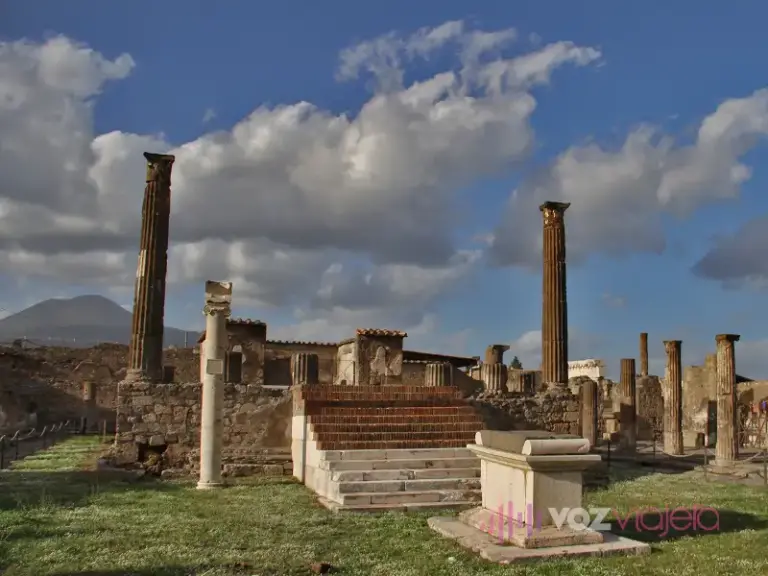
The Forum: Considered the heart of Pompeian public life, this space was surrounded by buildings of great political and religious importance. The majesty of the Temple of Jupiter, the Basilica, and the Granaries still impresses visitors with its ancient columns and structures.
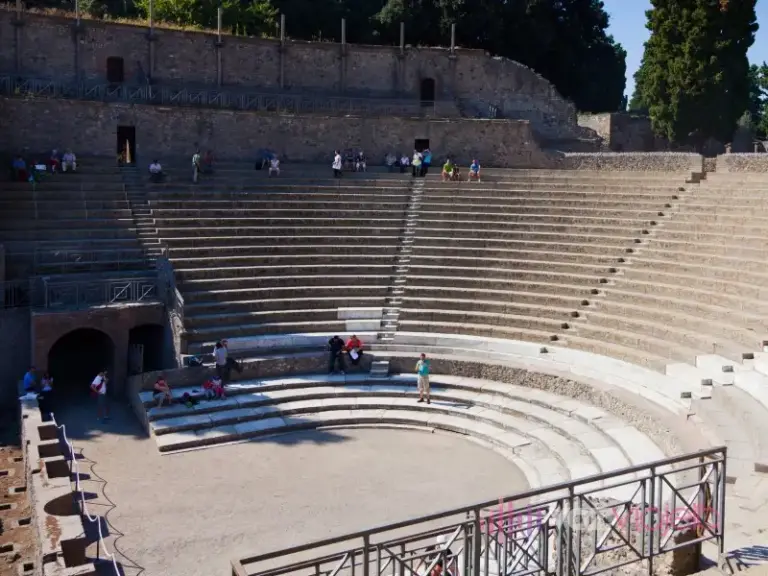
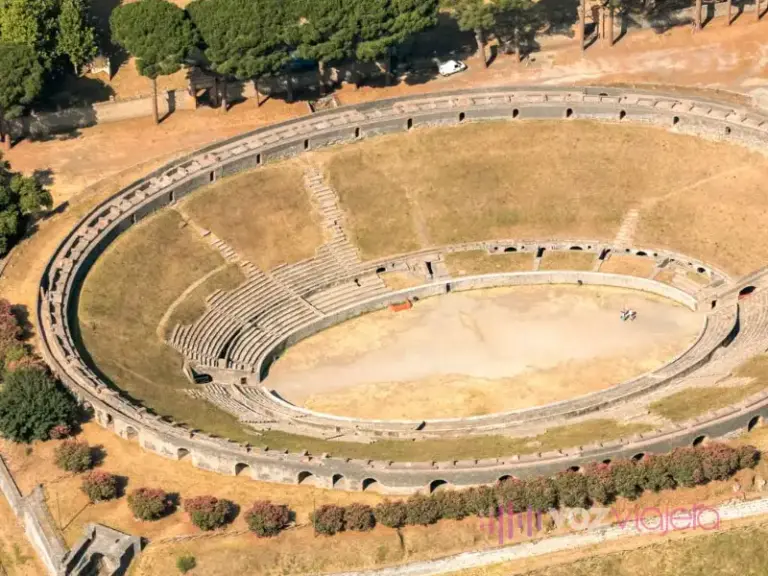
Amphitheater: This imposing arena, with a capacity for 20,000 people, was the epicenter of gladiatorial combat. Its stone seats and the complex underground where gladiators and beasts prepared for the fight continue to captivate those who discover them.
Stabian Baths: These ancient public baths, with their distinct areas for cold, lukewarm, and hot baths, as well as sports facilities, were a favorite place for socializing and relaxation in Pompeii.
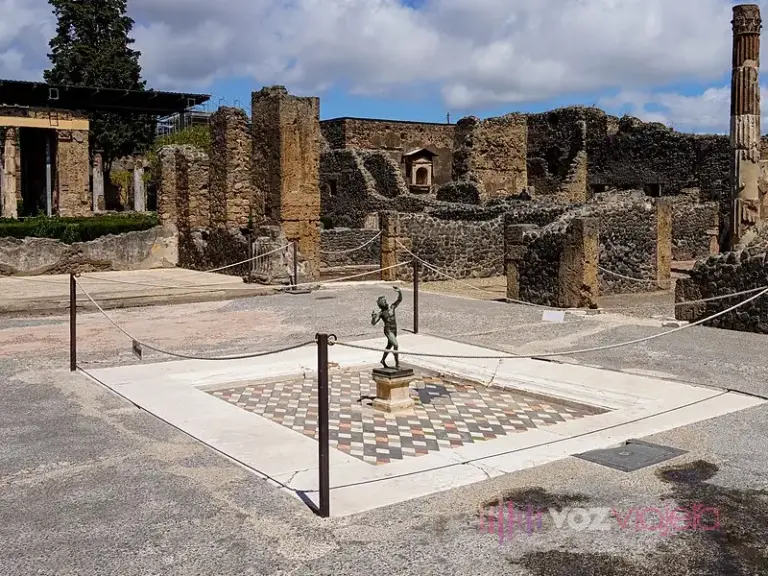
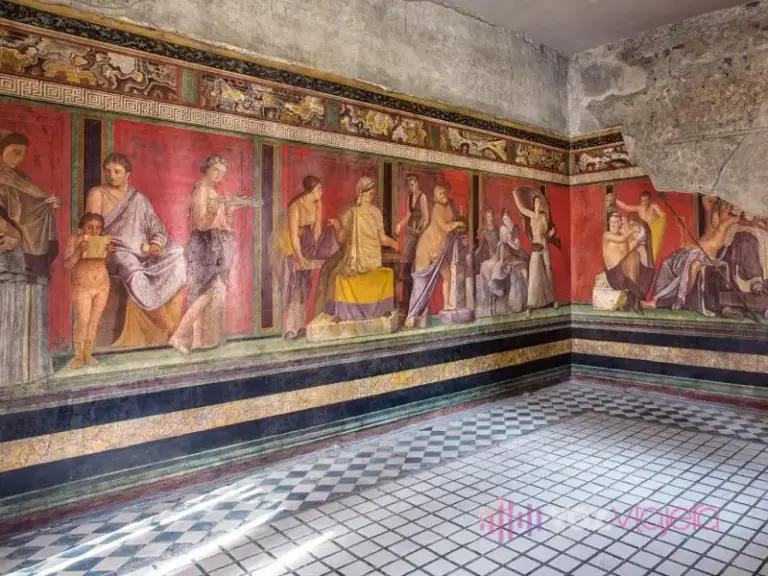
Houses and Villas: Residences such as the House of the Tragic Poet, the House of the Vettii, the Villa of the Mysteries, and the Villa of Diomedes are silent witnesses to Pompeian wealth and art, with their impressive mosaics and frescoes.
Murals and Frescoes: The vibrant murals that adorned the walls of houses and public buildings are preserved with astonishing clarity, offering a glimpse into Roman art and aesthetics.
Helpful Tips for an Unforgettable Visit
To ensure an enriching and comfortable experience at the ruins of Pompeii, consider the following:
Purchase your tickets in advance to avoid long queues.
Prioritize comfort in your footwear, as you will be exploring large areas on foot over terrain that may be uneven.
Protect yourself from the sun and stay hydrated, especially during visits in the hottest hours.
Use a map or the official Pompeii app to navigate easily around the site.
Consider hiring a tour guide to delve deeper into the history and fascinating details of the city.
Plan your visit during times of less crowds, such as early in the morning or late in the afternoon.
Explore the Antiquarium, the open-air museum that houses countless artifacts unearthed during excavations.
Visiting Pompeii is much more than a sightseeing tour; it is an immersion into the legacy of a civilization that, although disappeared, continues to tell its story through the traces it left behind. This unique experience not only educates but also inspires, connecting visitors to the splendor and tragedy of ancient Rome.