
Tibidabo: free audio guide, tickets and views
Free audio guide in English · no app, no sign-up
Free audio guide to Tibidabo in Barcelona, in English: just under 8 minutes on the name of the hill, the Temple of the Sacred Heart and the amusement park on the summit. It plays on this page.
 Audio guide
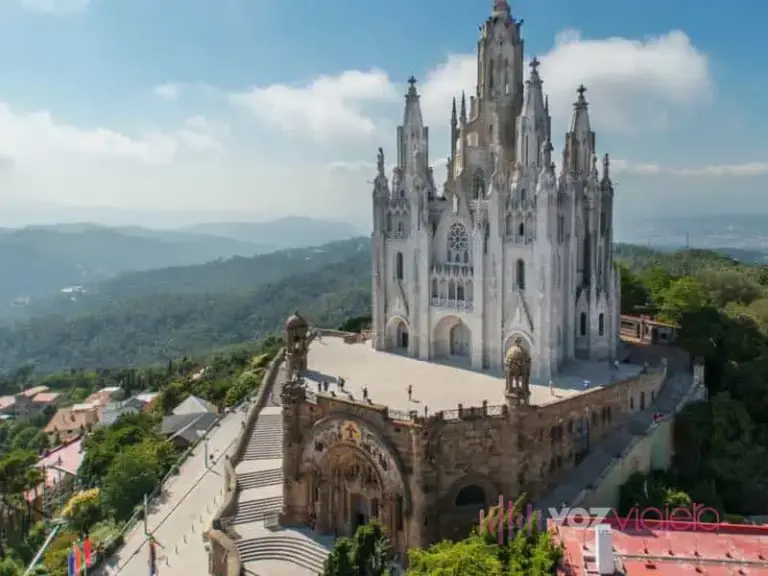
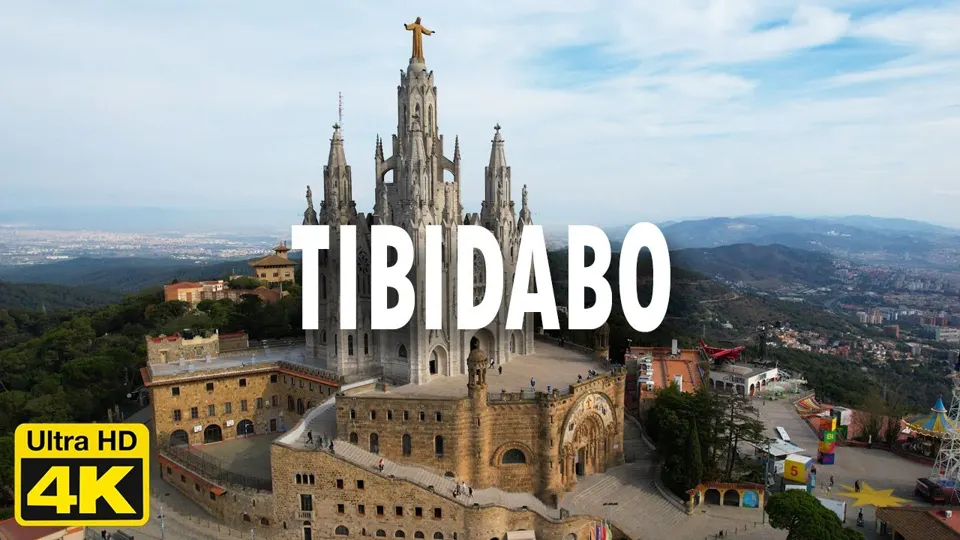
Tibidabo is the highest hill in Barcelona, 512 m above the sea, and on its summit stand 2 things you can see from almost anywhere in the city: the Temple of the Sacred Heart and one of the oldest amusement parks in the world, open since 1901. Our free audio guide tells their story in just under 8 minutes; the views from the free Panoramic Area come at no extra cost.
What the audio guide covers
The audio lasts 7 minutes 51 seconds and plays on this page, in English. It starts with the hill and its name, goes through the history of the summit and then walks you round: crypt, upper church, terrace and park. These are its stops:
| Minute | Stop | What you hear |
|---|---|---|
| 0:00 | The summit | The highest point of the Collserola range and what stands on top. |
| 1:49 | The name | «Tibi dabo», «I will give you», the words of the Gospel the hill is named after. |
| 2:34 | Why a temple here | How the summit ended up crowned by a church. |
| 3:35 | Funicular and park | The arrival of the funicular and of the amusement park. |
| 4:12 | The Tibidabo donkey | Where a Barcelona saying about a donkey comes from. |
| 5:20 | The crypt | The Montjuïc stone, the mosaics and the stained glass of the lower church. |
| 5:43 | Upper church and terrace | The church, the statue of the Sacred Heart and the view from the top. |
| 6:29 | The park and the way down | The rides, the old buildings round the summit and the ride back down. |
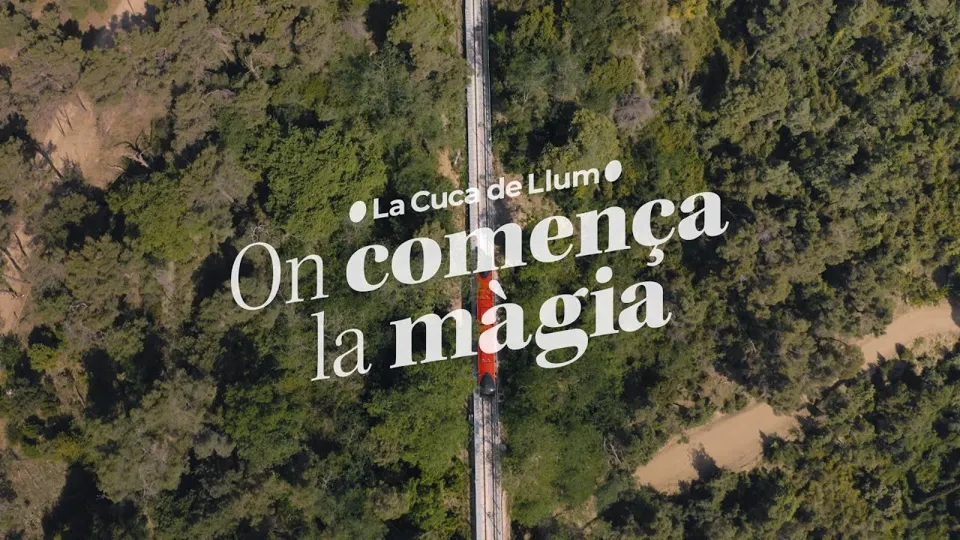
The audio speaks of the old funicular. The ride up today is the Cuca de Llum, the new funicular that replaced it in June 2021 and climbs to the summit in 4 minutes. The line itself opened on 29 October 1901.
The name is older than anything on the summit. In the Middle Ages the hill was the Puig de l’Àliga, the Eagle’s Peak; it was the monks of the monastery of Sant Jeroni who, in the 16th century, began to call it Tibidabo, from the Latin words of the Gospel of Saint Matthew «tibi dabo», «I will give you». Barcelona had already used it as one of its city limits since 1283.
The Temple of the Sacred Heart: 2 churches, one on top of the other
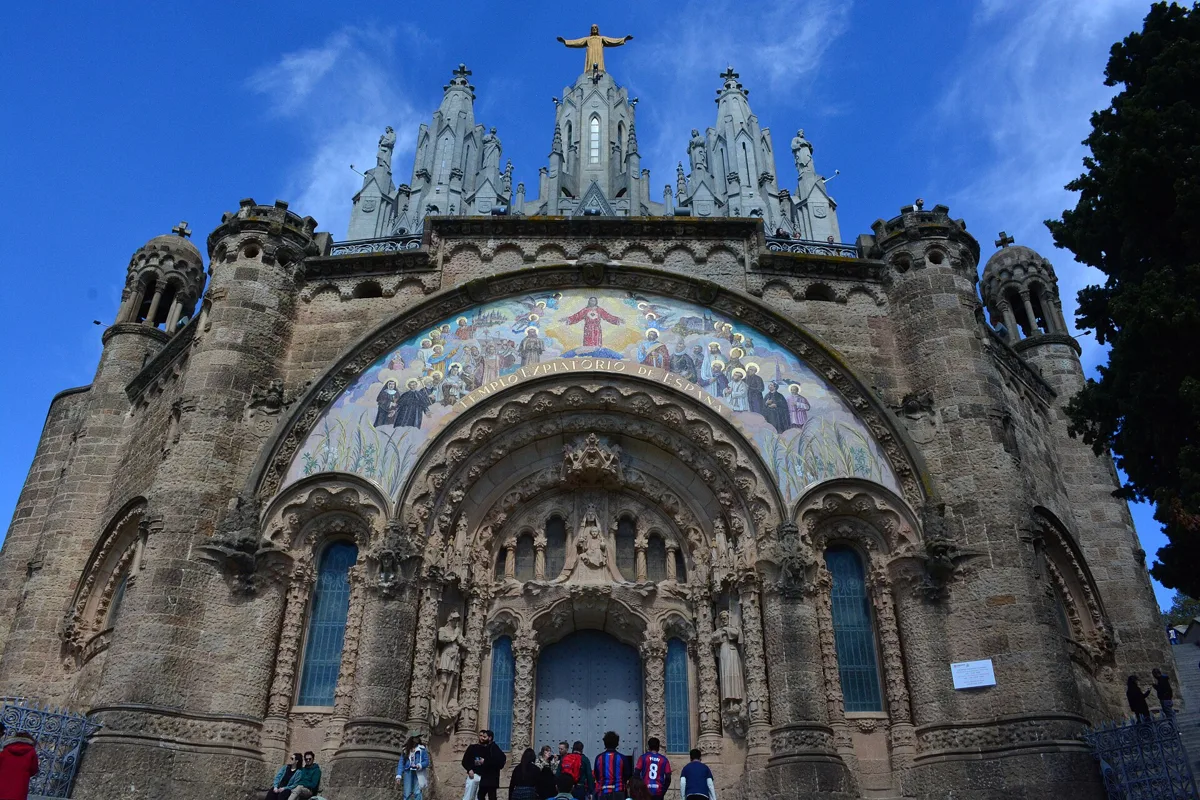
The temple is really 2 buildings. Below is the crypt, built between 1903 and 1911 in stone from Montjuïc, with a neo-Byzantine interior of 5 naves lined with alabaster and mosaic. Above it, reached by 2 wide staircases on either side of the crypt door, stands the upper church, built between 1914 and 1951, with a large central tower and 4 lower ones at the corners, where the 12 Apostles stand.
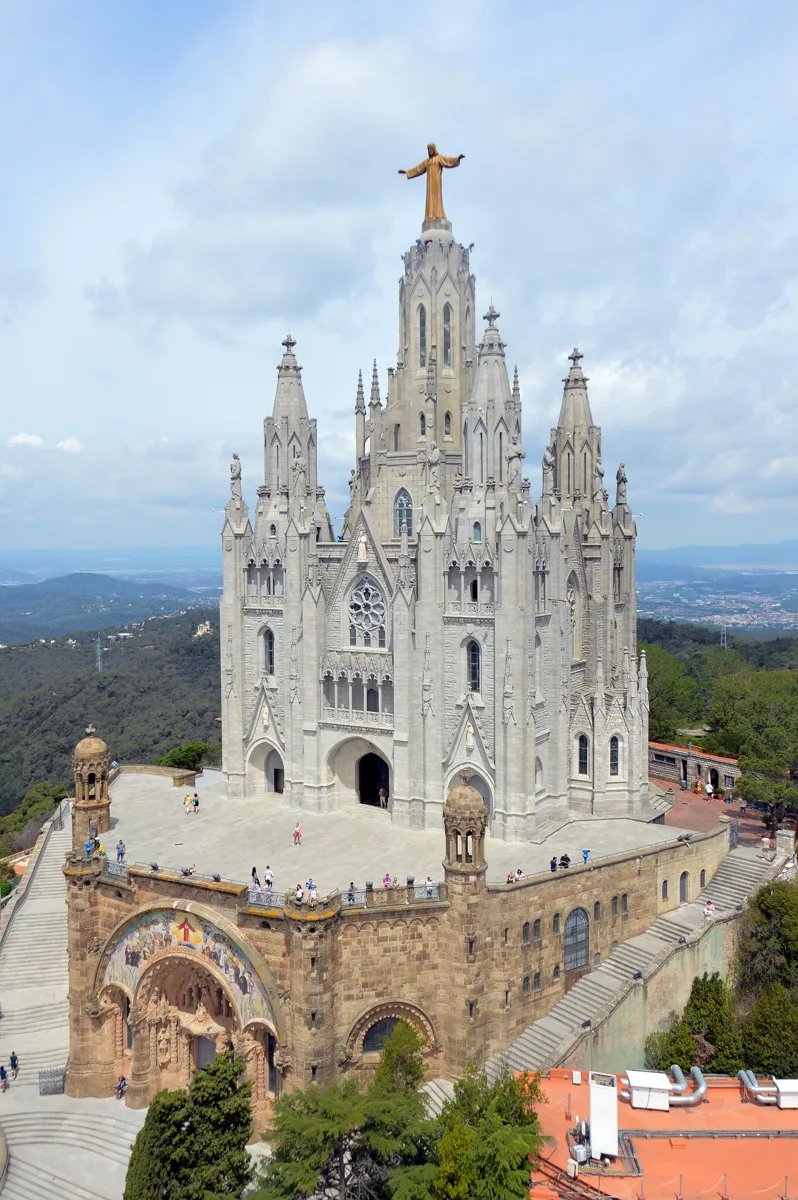
The architect was Enric Sagnier, and his son Josep Maria finished the work. On 28 October 1961 the temple was consecrated, the same day the statue of the Sacred Heart was placed on the central tower. It is the figure with open arms you can see from all over the city.
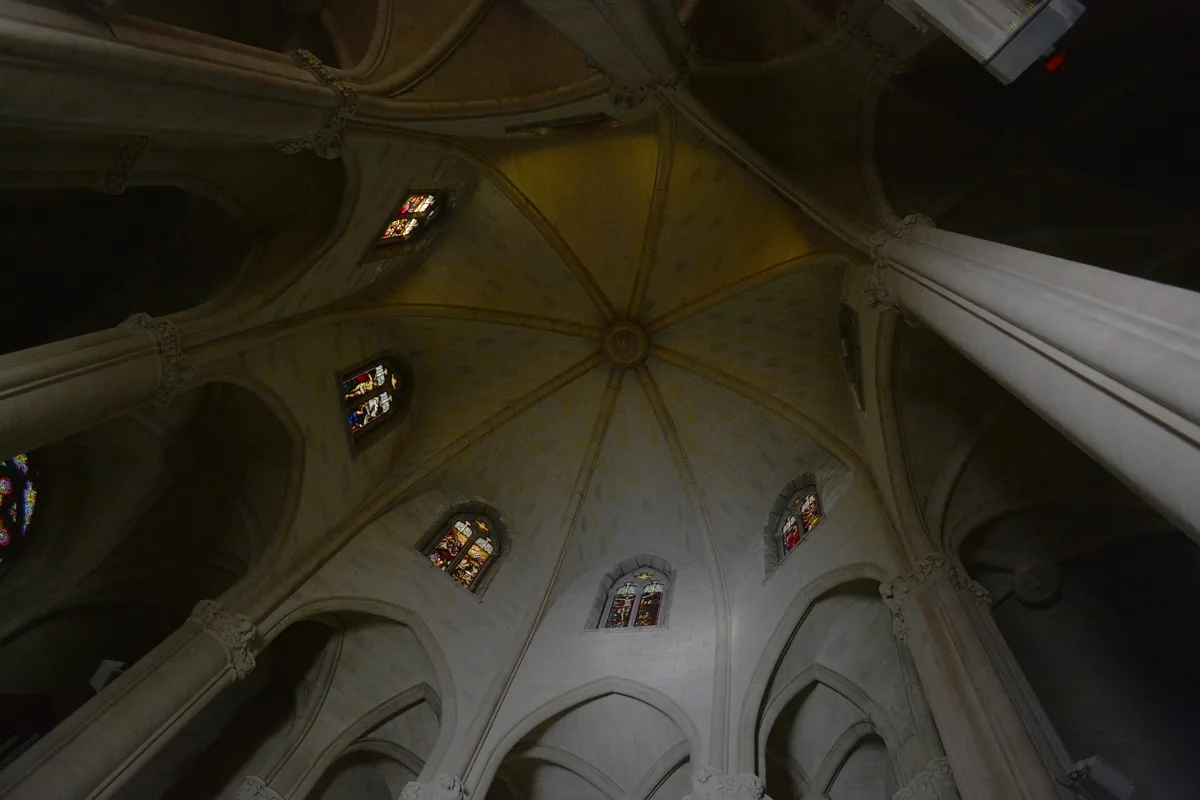
Start in the crypt, where the mosaics catch the light from the door, then take the staircases up to the terrace of the upper church: from there the whole city opens up below you.
The amusement park and the free Panoramic Area
The summit has 2 parts. The Panoramic Area, at 500 m, is free to enter and opens almost every day of the year: it has the best views, places to eat, a path along the ridge and the historic rides, which you can pay for one by one at €4. The Amusement Park, with more than 30 rides, shows and activities, needs a ticket and opens on set days.
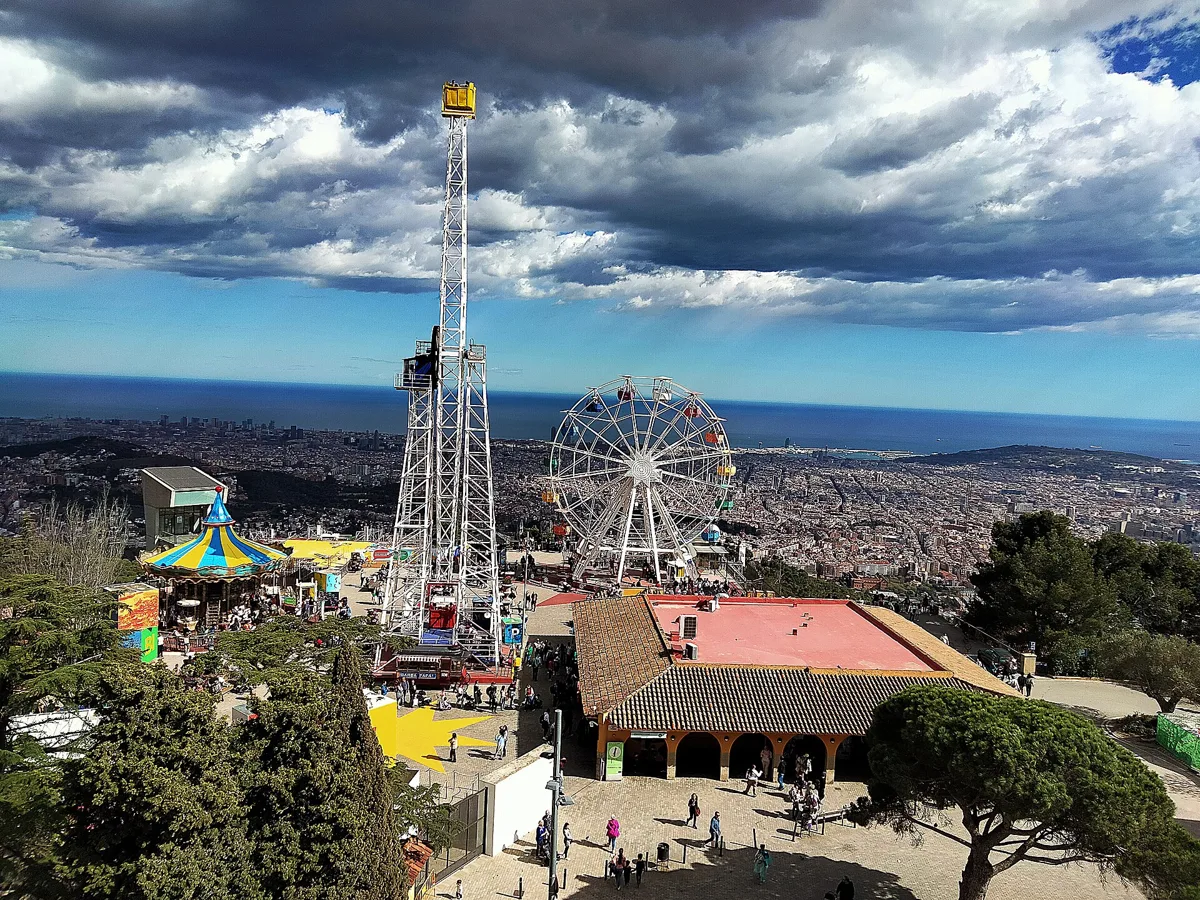
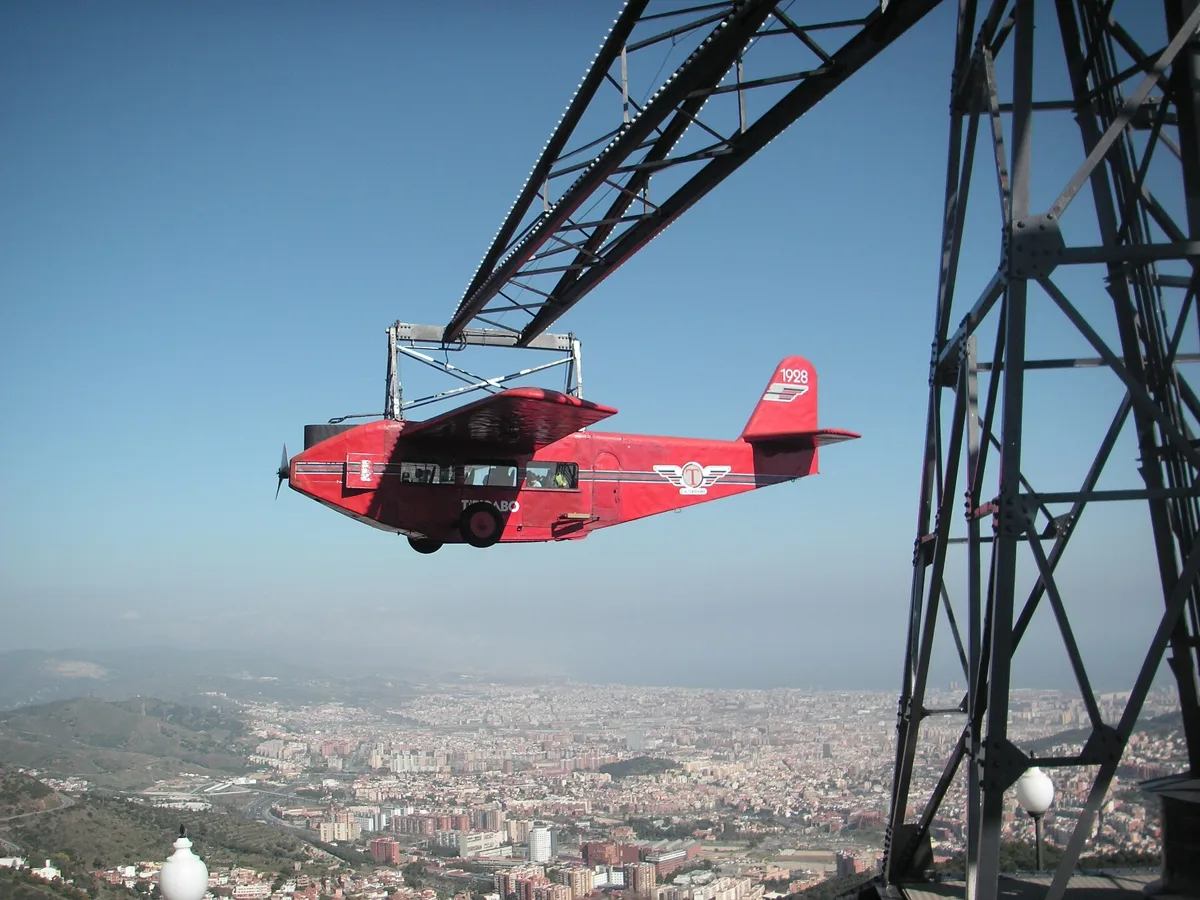
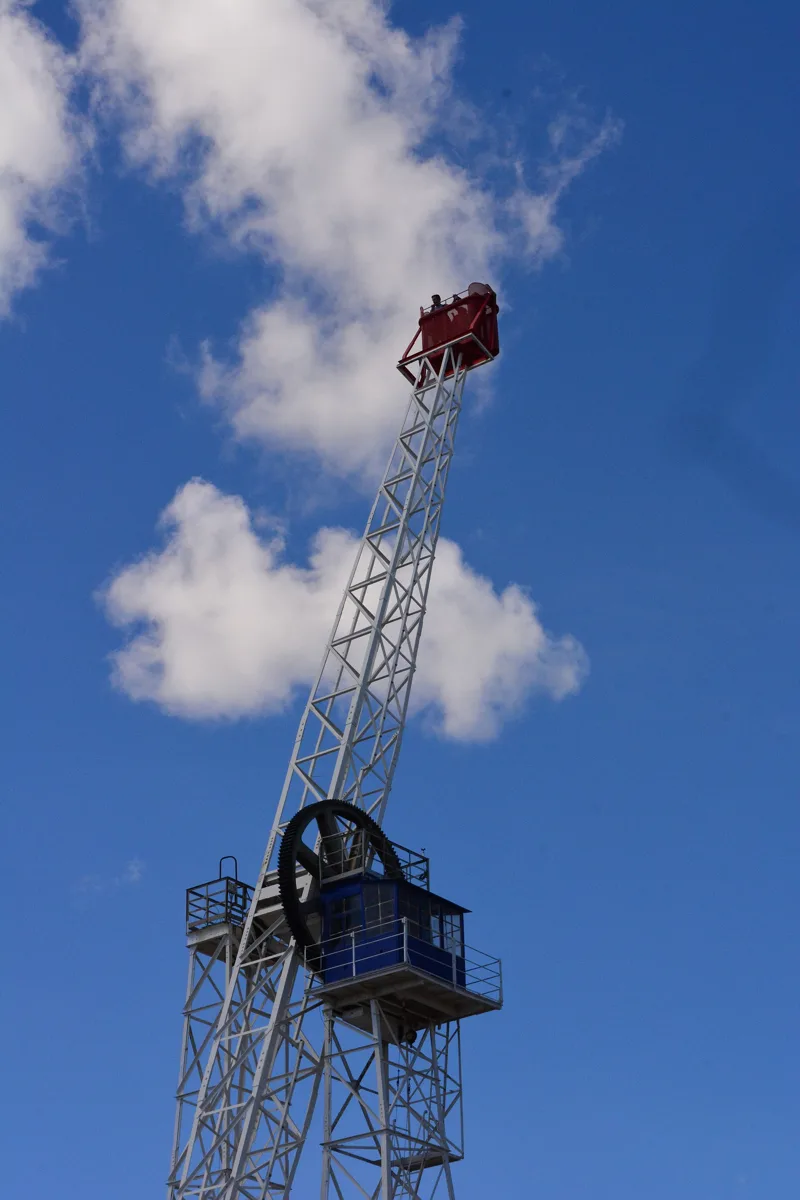
The 2 rides that every Barcelona family remembers are in the Panoramic Area. The Talaia, open since 18 December 1921, lifts a cabin up a 50 m mast for a 360° view of the city, the sea and Collserola. The Avió, open since 1928, is a replica of the plane of the first Barcelona-Madrid flight, of 1927, and flies round on its own propeller.
Tickets and opening days
The Amusement Park ticket costs €39 from 120 cm tall and €15.50 between 90 and 120 cm; visitors over 60 pay €11.70. Every ticket includes all the rides of the park and of the Panoramic Area, plus the Cuca de Llum and the TibiBus shuttles.
If you only want the views and a couple of classic rides, the pass for the emblematic rides with the Cuca de Llum costs €21.50 (€11.80 between 90 and 120 cm). With the Barcelona Card the park ticket has a 20% discount, and with the Barcelona Card Family it is free.
Getting up to the summit
The way in is the Cuca de Llum, which leaves from Plaça del Doctor Andreu, at 221 m, and arrives at 500 m in 4 minutes. Each car carries up to 252 people, with large windows over the forest of Collserola. It is included in every park ticket, and you can also buy single tickets.
The ride is short, but it crosses the edge of Collserola, the range Tibidabo crowns: 17 km long and 6 km wide, between the Besòs and Llobregat rivers, with some 10 million trees. It is one of the largest metropolitan natural parks in the world, and until the funicular arrived it was a place for hikers and shepherds rather than for the people of the city.
On park days, 2 TibiBus shuttles take you to the Cuca de Llum: the T2B from the Vall d’Hebron car park, next to the metro stop, and the T2C from Plaça Kennedy, on Avinguda del Tibidabo. To use them, first exchange your ticket for a wristband at the ticket office of the car park or at the Tibidabo Store. If you drive, there is a car park at the top.
How to plan your visit
Give the summit half a day if you go into the park, and 2 hours if you only want the temple and the views. Go up in the morning on a clear day: the sea, the city and the mountains look sharper before the afternoon haze. The temple is a working church, so keep quiet inside.
To see Barcelona from below after seeing it from above, our audio guides to the Sagrada Familia and Park Güell are good next stops; all of them are on the Barcelona page.
 Free audio guideSagrada Familia
 Free audio guidePark Güell audio guide: free, hours and tickets
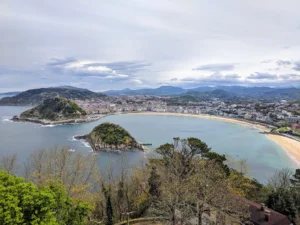
Tibidabo is not the only hill with a funicular and an amusement park at the top: the one on Monte Igueldo, in San Sebastián, also climbs to an old amusement park with views over the bay. It has its own free audio guide:
Where to find it
FAQs
How do the free audio guides work?
They play right here on audioguidetravel.com, with no app to download and no sign-up. Press play and listen as you walk round: a phone and a pair of headphones are all you need. The audio streams from this page, so you’ll need mobile data or Wi-Fi.
Can I take the tour at my own pace?
Of course! You set the pace: pause whenever you like, jump back or forward 15 seconds, or tap the bar to jump to any point, and listen as many times as you want so you don’t miss a thing.
If I'm in a group, can we use the same audio guide?
Yes. The same free audio guide opens on as many phones as you like, so you can go round together as a group or with your family, each person at their own pace and with their own headphones. The quickest way is to send the link via WhatsApp, Telegram or however you like: the buttons just below let you share it right now.
Visitor information
As of 28 Oct 2026- Opening hours
- Panoramic Area daily (closed 25-26 Dec, 1 Jan) · Amusement Park on set days
- Tickets
- Park €39 (90-120 cm €15.50) · Panoramic Area free · rides €4 each
- Time needed
- Half a day with the park · 2 hours for the temple and the views
- Getting there
- Cuca de Llum funicular from Plaça del Doctor Andreu, 4 minutes to the summit.
- Accessibility
- Panoramic wheel with an adapted basket; several rides with adapted access
- Tip
- Go up on a clear morning: the view reaches the sea and the hills before the haze
- Official website
- www.tibidabo.cat
Nearby
More free audio guides in Barcelona
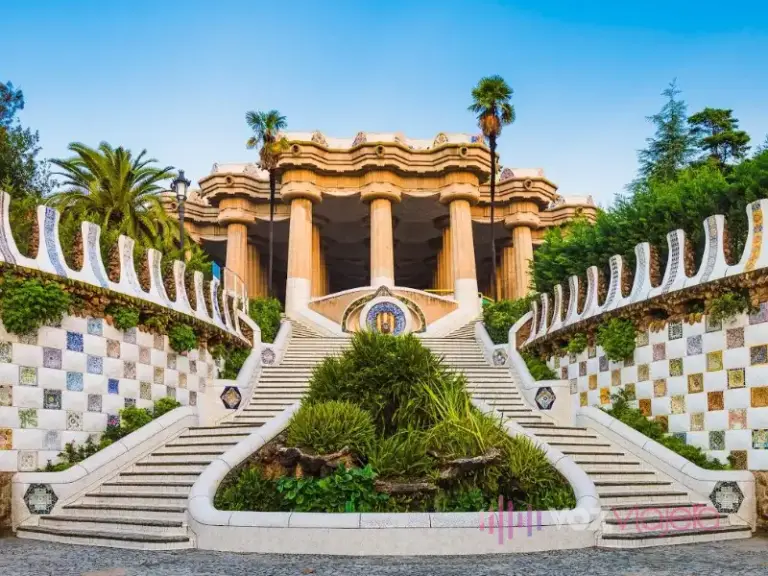 6:11BarcelonaPark Güell audio guide: free, hours and ticketsPark Güell is the estate Antoni Gaudí designed for Eusebi Güell on the hillside above Barcelona, begun in…
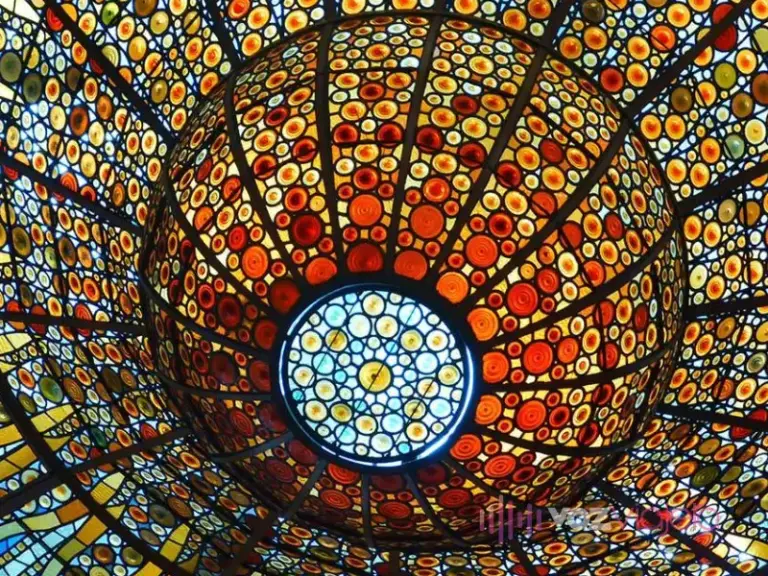 5:43BarcelonaPalau de la Música Catalana: free audio guide and ticketsFree audio guide to the Palau de la Música Catalana in Barcelona, in English: just under 6 minutes…
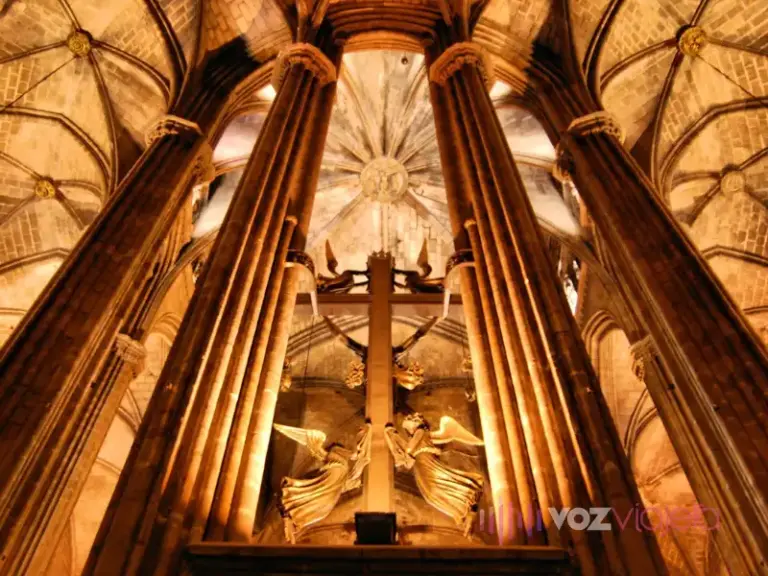 6:43BarcelonaBarcelona Cathedral: free audio guide, hours and ticketsFree audio guide to Barcelona Cathedral, in English: 7 minutes from the facade and the crypt of Saint…