
St. Peter’s Basilica: free audio guide and visiting hours
Free audio guide in English · no app, no sign-up
Free audio guide to St Peter’s Basilica in Rome, in English: about 8 minutes on the tomb of Peter, Michelangelo’s dome, Bernini’s baldachin, the portico and the grottoes, playing on this page.
 Audio guide
St Peter’s Basilica is the church built over the tomb of the Apostle Peter, in Vatican City, and the largest church in the world. Pope Julius II laid its first stone in 1506; Michelangelo designed its dome, and Bernini its square, its bronze baldachin and the Chair of St Peter. Entry is free, every day from 07:00 to 19:00 until 28 March 2027. This is its free audio guide, in English.
What the audio guide covers
It is free, it plays on this page in your phone’s browser, with no app and no sign-up, and it lasts about 8 minutes. The first part tells the story of the building: the tomb of Peter, the old basilica of Emperor Constantine, and the new one, begun to Bramante’s design, until Michelangelo took over at 71 and designed the dome. Then comes Bernini’s bronze baldachin under that dome, and the saying it inspired in Rome about the Barberini, the family of the pope who commissioned it. The second part walks you in, from the façade and the portico with its 5 doors to the nave, the dome over the papal altar and the grottoes below, and it ends with advice for the visit.
Some points of interest described in the St Peter’s Basilica audio guide:
| Point of Interest | Brief Description |
|---|---|
| Façade | Carlo Maderno’s front, built between 1608 and 1612, with its colossal columns. |
| Bells | The bells of the basilica and their names. |
| Portico | The entrance hall with 5 doors, among them the Holy Door, opened in Jubilee years, and Filarete’s bronze door from the old basilica. |
| Nave and aisles | The main nave and the 2 side aisles, with their chapels and monuments. |
| Baldachin | Bernini’s bronze canopy over the papal altar, above the tomb of Peter. |
| Dome | Michelangelo’s dome, which you can climb for the view over Rome. |
| Chair of St Peter | Bernini’s gilded bronze monument at the far end of the apse. |
| Vatican Grottoes | The lower level of the basilica, with the tombs of many popes. |
Opening hours, tickets and what to wear
The basilica is open every day from 07:00 to 19:00, its winter timetable, from 26 October 2026 to 28 March 2027; last entry depends on the queue at the security checks. Those checks, run by the Italian State Police, are in the right-hand semicircle of St Peter’s Square as you face the basilica, so the queue is part of the visit: arrive with time to spare.
Entering the basilica is free. Its official website also sells an optional timed visit for €7: you choose the day and the time, and it comes with a digital audio guide of its own on your phone, for a route of about 1 hour. The dome has its own tickets, which include the basilica: €17 by the stairs and €22 with the lift, for about 2.5 hours in all. Children go free up to their 6th birthday with a parent, as do visitors with a certified disability of over 74% and 1 companion, and tickets are reduced from 7 to 17.
Dress as for a place of worship: long or below-knee trousers, skirts below the knee and shoulders covered for everyone. Excessively short clothing, sleeveless tops and hats are not allowed inside. Food, drink, smoking and animals are not allowed, and there is no cloakroom at the moment: come with a small bag, without trolleys or suitcases. Pushchairs can be left under the portico.
Inside: from the Pietà to the Chair of St Peter
In the portico, look at the doors before you go in. The Holy Door, the one furthest to the right, opens only in Jubilee years, and the central door is the bronze one by Filarete, brought from the old basilica.
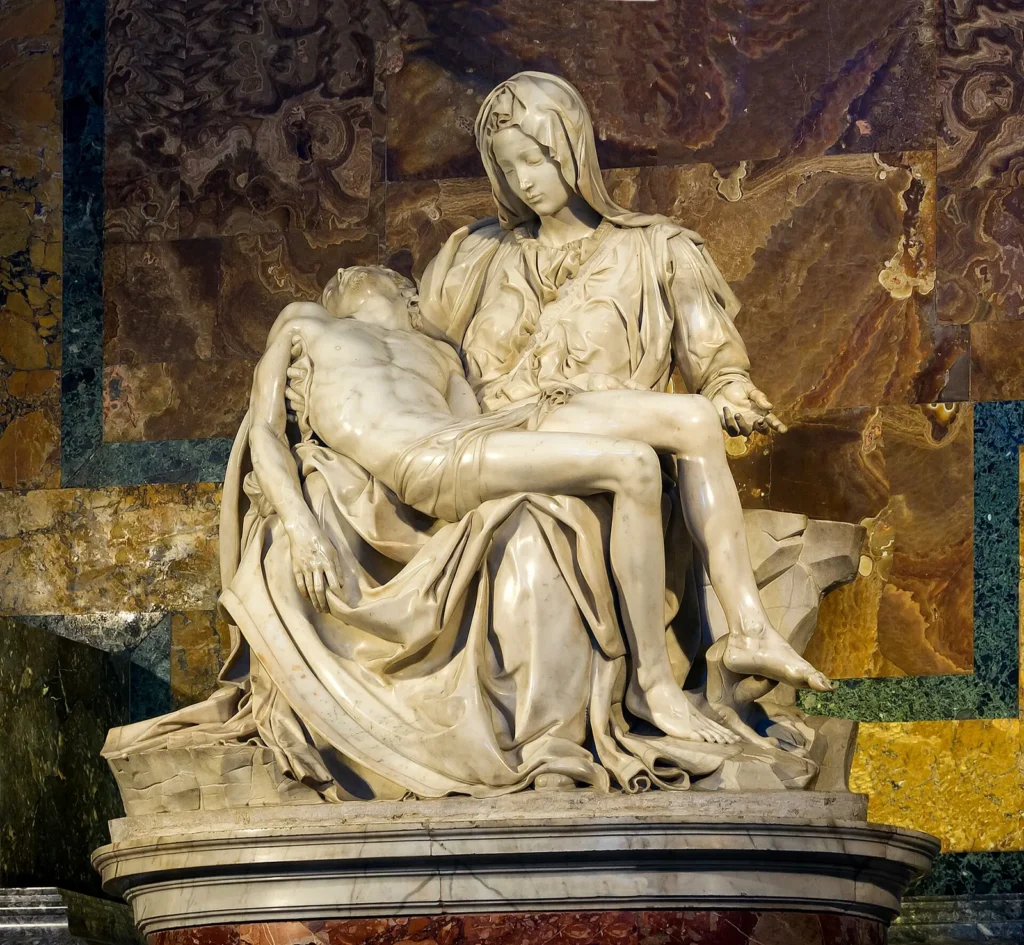
In the first chapel on the right stands Michelangelo’s Pietà. He carved it in 1498, when he was 23, from a single block of Carrara marble, in 9 months. It is the only work he ever signed: his name runs along the band that crosses the Virgin’s chest.
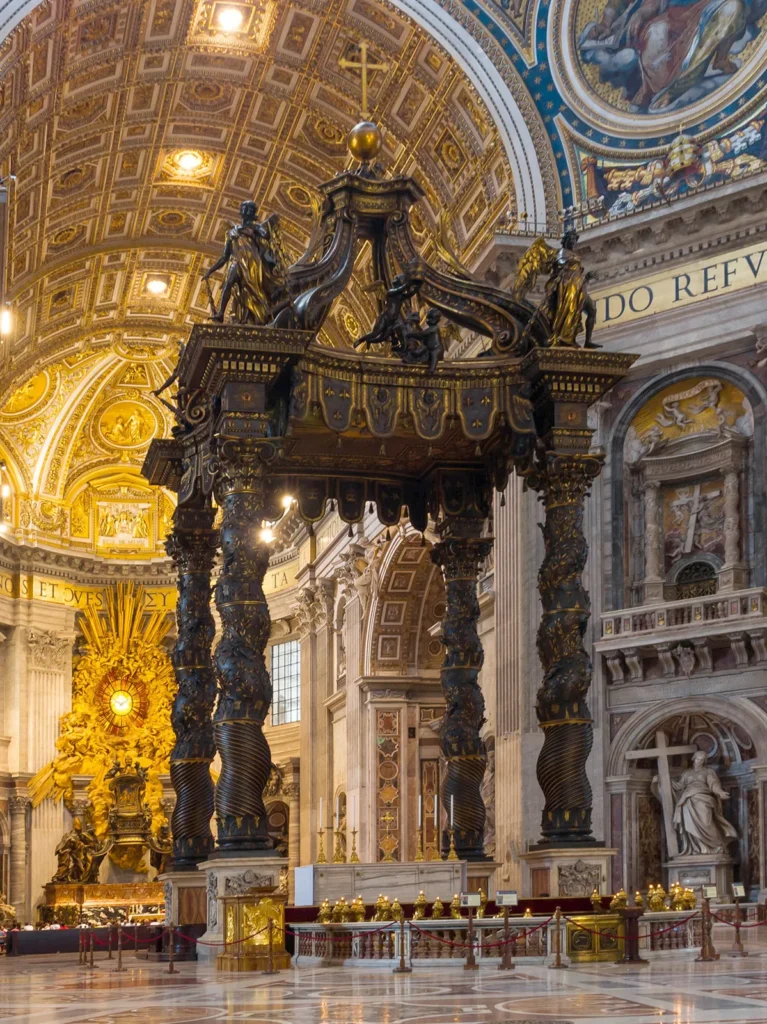
The nave leads to the crossing, under the dome. There stands Bernini’s baldachin, over the papal altar, and in front of it the Confessio, the sunken space that lets you look down towards the tomb of Peter. At its centre is the Niche of the Pallia, flanked by gilded bronze statues of Peter and Paul made by Ambrogio Buonvicino in 1617.
At the far end of the apse, Bernini’s Chair of St Peter closes the view. This gilded bronze monument, finished in 1666 after 10 years of work, holds an ancient wooden throne traditionally considered to be Peter’s; the throne, crowned with the keys and the papal tiara, rises to 14.74 metres. Above it, a window with the dove of the Holy Spirit can be seen from the door of the basilica. On 22 February, the feast of the Chair, it is lit with more than 100 candles.
The dome: 551 steps and the view over the square
Michelangelo conceived the dome and built it up to the drum. After his death, Giacomo della Porta, working with Domenico Fontana, raised it between 1588 and 1590, in just 22 months and with 800 labourers. Inside, about 3,000 square metres of mosaics on a gold background cover it, and the frieze at its base carries Christ’s words to Peter in large letters: Tu es Petrus, “You are Peter”. The cross on top stands at more than 133 metres.
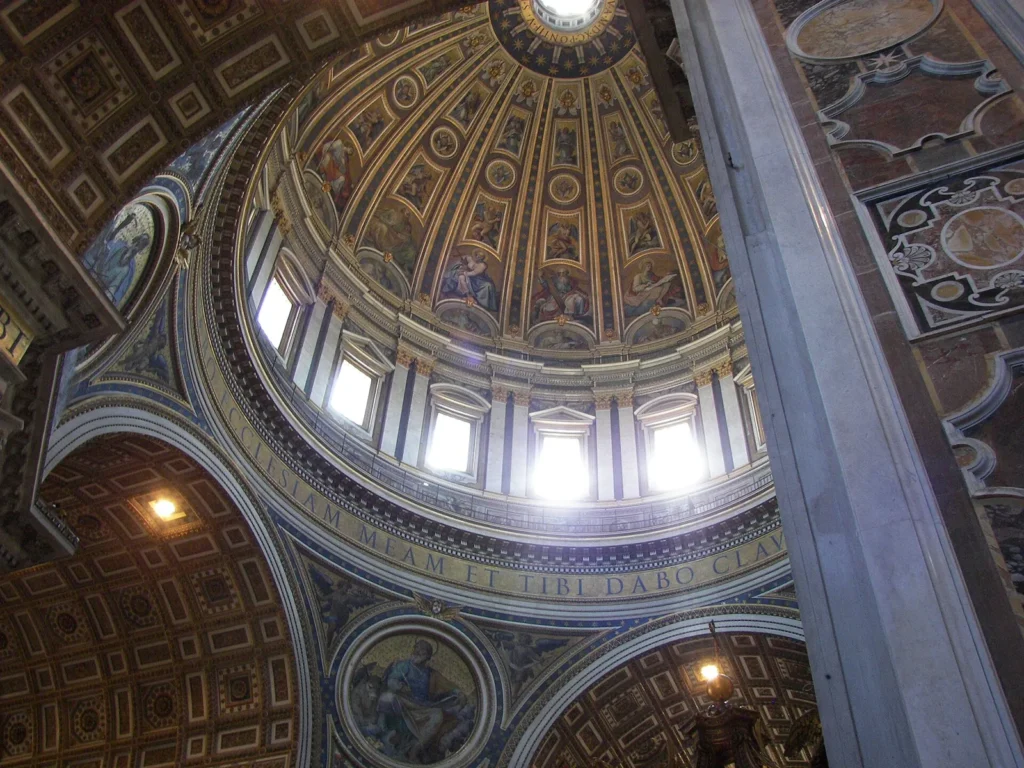
The climb starts with 231 steps, or the lift, up to the terrace level, where you walk round the inside of the dome, close to the mosaics. From there, 320 more steps lead to the top, so the lift saves only the first part: 551 steps in all by the stairs, and the dome is not accessible by wheelchair. It is open from 07:30 to 17:00, its winter timetable, from 26 October 2026 to 28 March 2027; summer hours, 07:00 to 18:00, return on 29 March.
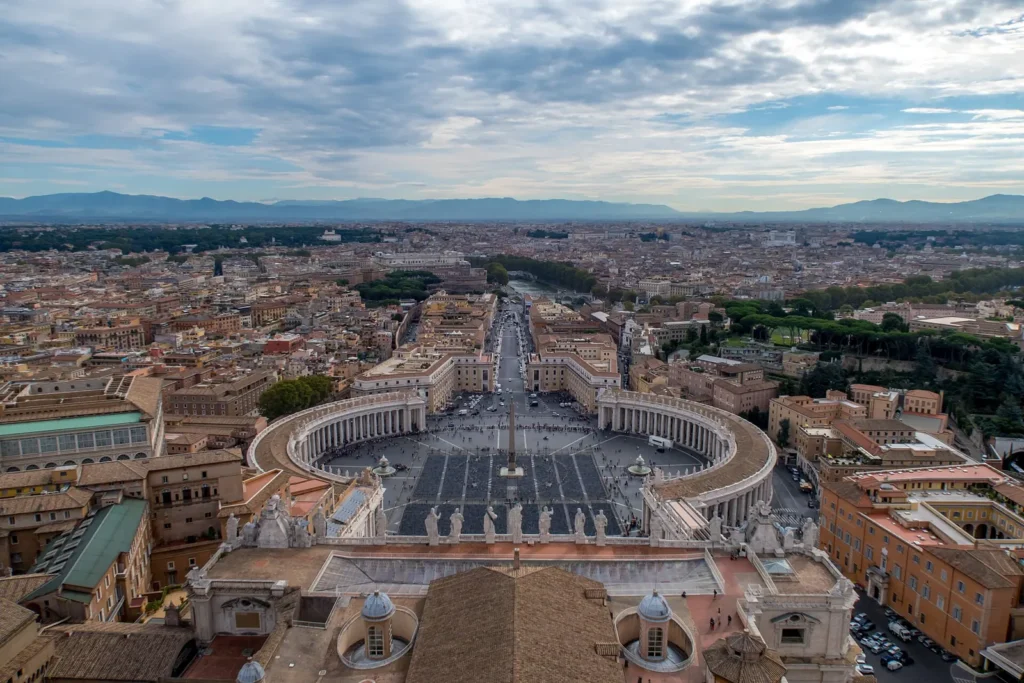
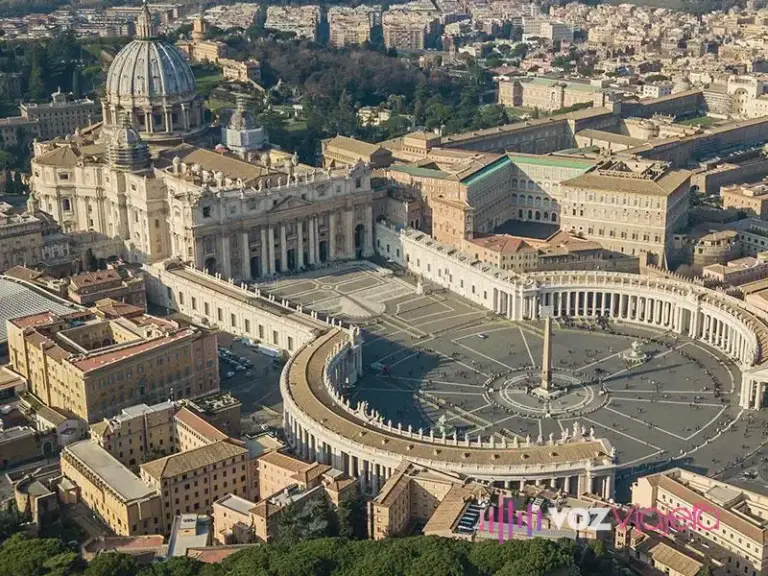
From the top you see Bernini’s square as a whole: an oval of 196 by 149 metres, completed in 1667 after 11 years of work, framed by 284 columns in 4 rows, with 140 statues on top. At its centre stands the Vatican obelisk, which comes from the circus of Caligula and Nero and recalls the crucifixion of Peter.
Below the floor: the grottoes and the tomb of Peter
The tomb of Peter lies beneath the main altar. The excavations of 1939 to 1949 brought to light the grave, the small monument built over it in the 2nd century and a wall covered in the graffiti of early pilgrims. On a fragment of plaster just 3.2 by 5.8 cm, someone carved the Greek letters PETR… ENI…, read as “Peter is here” or “Peter in peace”.
The Vatican Grottoes, the lower level of the basilica, are a system of vaults built between 1590 and 1591 to support the floor of the new church, and they hold the tombs of many popes near the tomb of Peter. If you book the €7 visit for 18:00, the grottoes are not open to the public at that time. Even lower, between 3 and 11 metres below the floor of the nave, lies the Vatican Necropolis, a Roman burial ground with 22 tomb buildings, which is visited by requesting a reservation through the official website.
A short history in 5 dates
- 4th century — Emperor Constantine and Pope Sylvester build the first basilica over the tomb of Peter.
- 18 April 1506 — Pope Julius II lays the first stone of the new basilica, at the bottom of a foundation pit 7.45 metres deep, where the pillar of Saint Veronica stands today.
- 1608 to 1612 — Carlo Maderno builds the façade.
- 18 November 1626 — Pope Urban VIII consecrates the basilica.
- 1667 — Bernini completes St Peter’s Square.
Getting there, and what is nearby
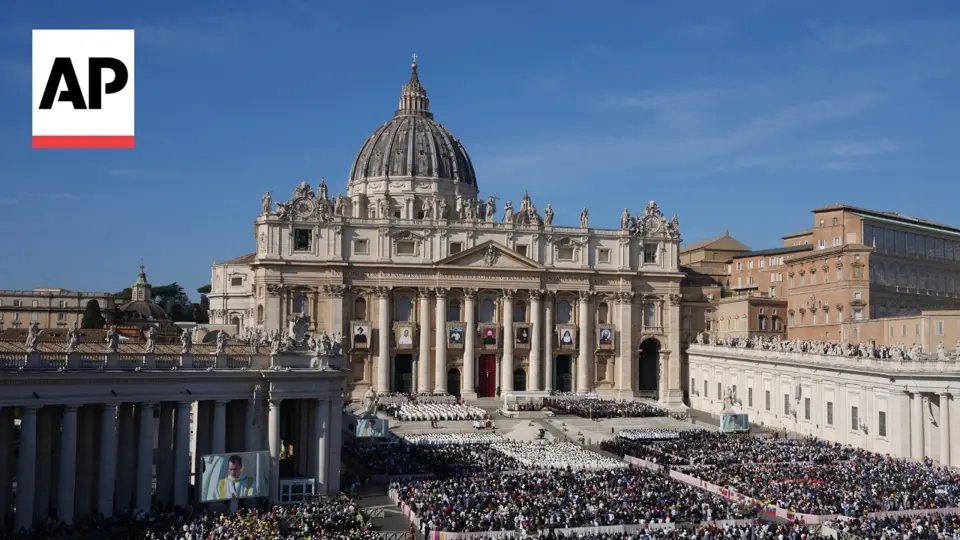
The basilica stands at the end of St Peter’s Square, in Vatican City. The closest Metro stop is Ottaviano, on line A, about 15 minutes away on foot. For visitors with disabilities there is a reserved entrance with a ramp in the right-hand semicircle of the square.
The Sistine Chapel is a few hundred metres away on the other side of the wall, and it is reached through the Vatican Museums, whose entrance is on Viale Vaticano and not on this square: the 2 are separate tickets and separate queues. Both have a free audio guide on this site. 15 minutes down Via della Conciliazione is Castel Sant’Angelo, and across the river is the Pantheon, the ancient temple with the dome that the audio guide links to Michelangelo’s.
 Free audio guideVatican Museums
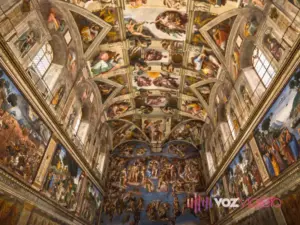 Free audio guideSistine Chapel
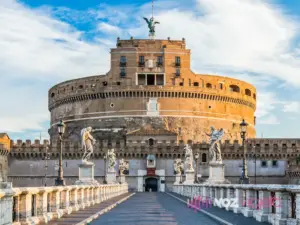 Free audio guideCastel Sant’Angelo
 Free audio guidePantheon
All of them are on the free audio guides of Rome page. The same guide in Spanish is at Basílica de San Pedro on vozviajera.com.
Where to find it
FAQs
How do the free audio guides work?
They play right here on audioguidetravel.com, with no app to download and no sign-up. Press play and listen as you walk round: a phone and a pair of headphones are all you need. The audio streams from this page, so you’ll need mobile data or Wi-Fi.
Can I take the tour at my own pace?
Of course! You set the pace: pause whenever you like, jump back or forward 15 seconds, or tap the bar to jump to any point, and listen as many times as you want so you don’t miss a thing.
If I'm in a group, can we use the same audio guide?
Yes. The same free audio guide opens on as many phones as you like, so you can go round together as a group or with your family, each person at their own pace and with their own headphones. The quickest way is to send the link via WhatsApp, Telegram or however you like: the buttons just below let you share it right now.
Visitor information
As of 26 Oct 2026- Opening hours
- Daily 07:00–19:00 until 28 March 2027.
- Tickets
- Free · optional timed visit with audio guide €7 · dome €17 by the stairs, €22 by lift
- Time needed
- About 1 hour
- Getting there
- Metro line A to Ottaviano, then about 15 minutes on foot.
- Accessibility
- Reserved entrance with a ramp in the right-hand semicircle of the square; the dome is not step-free
- Tip
- Cover shoulders and knees, and leave hats off: short or sleeveless clothing is not allowed inside
- Official website
- www.basilicasanpietro.va
Nearby
More free audio guides in Rome
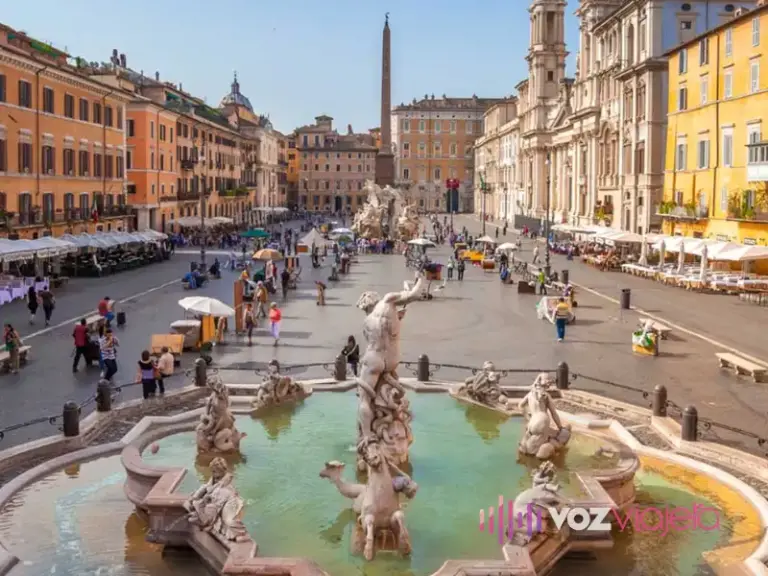 4:20RomeNavona SquareWith its sculpted fountains and lively atmosphere, Navona Square is the perfect place for an evening stroll. Enjoy…
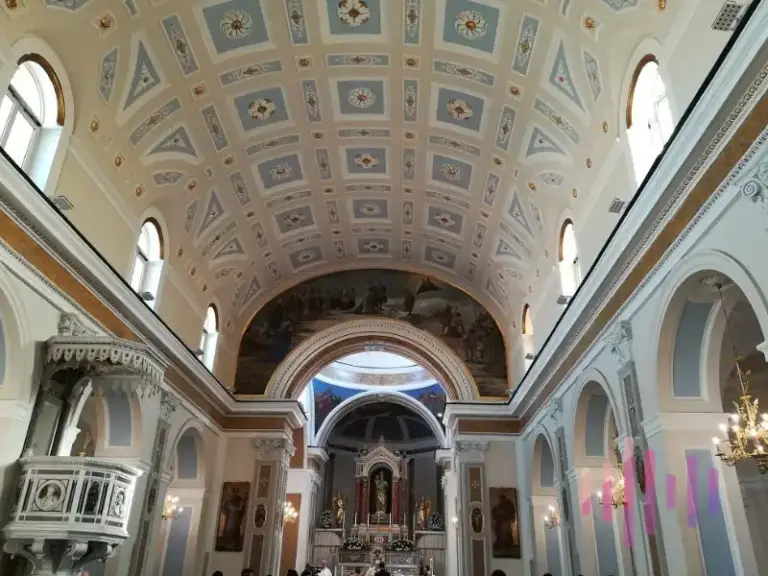 7:15RomeBasilica of Saint Mary MajorFree audio guide to Saint Mary Major in Rome, in English: just over 7 minutes on its history,…
 6:30RomeRoman Forum: free audio guide, hours and ticketsFree audio guide to the Roman Forum, in English: 7 minutes along the Via Sacra, from the Curia…