
Hyde Park: free audio guide, opening times and what to see
Free audio guide in English · no app, no sign-up
Hyde Park is central London’s great public park: 142 hectares with the Serpentine lake in the middle. Charles I opened it to the public in 1637; entry is free and the gates are open from 5am to midnight. It’s home to Speakers’ Corner, the Diana Memorial Fountain and the Serpentine boats.
 Audio guide
Before you go in
The few things that change your visit.
- Free entry; open every day from 5am to midnight
- 1-hour boat hire: adult £13.95, or £9.50 from 10am to noon
- The Diana fountain is closed after a water-system fault as of 29 September 2026
- Speakers' Corner: best on a Sunday morning, by Marble Arch
- Winter Wonderland runs 19 November 2026 to 3 January 2027
- Buckingham Palace is about 1.7km away
On this page
- What the Hyde Park audio guide tells you
- Hyde Park opening times and getting there
- What to see in Hyde Park: the Serpentine, the Diana fountain and Speakers' Corner
- Hyde Park history: from royal hunting ground to the people's park
- Monuments and quiet corners
- Accessibility and Winter Wonderland 2026
- Combine it with other London audio guides
- Where to find it
Hyde Park is central London’s great public park: 142 hectares of grass, trees and water, with the Serpentine lake in the middle, Speakers’ Corner in one corner and the Diana Memorial Fountain on the far shore. Entry is free and the gates are open every day from 5am to midnight. This free audio guide is made to be heard by the lake.
What the Hyde Park audio guide tells you
The audio guide runs to about 3 minutes and is meant to be played standing on the bank of the Serpentine, with the boats in front of you. It doesn’t try to walk you round all 142 hectares. It tells you where you are, how a royal hunting ground became “the people’s park”, and points you to 3 places worth the walk. These are its stops:
| By the lake | Where you’re standing, and why this natural-looking lake was made by a queen around 1730. |
| From hunting ground to public park | Henry VIII in 1536, the public opening in 1637 and the Great Plague of 1665. |
| On the water | Rowing boats, pedalos and the Lido of Britain’s oldest open-water swimming club. |
| The Diana fountain | 545 pieces of Cornish granite and water that runs two ways. |
| Speakers’ Corner | From the Tyburn gallows to the act of 1872, with Marx, Lenin, Orwell and 250,000 suffragettes. |
| On your way out | Achilles at Hyde Park Corner, and how far it is to Buckingham Palace. |
Hyde Park opening times and getting there
Hyde Park is a public park, so there’s no ticket and no ticket office. The pedestrian and vehicle gates open from 5am to midnight every day of the year. When there’s a big event or maintenance work, parts of the park close, and the notice goes up on The Royal Parks website.
| Opening times | Every day, 5am to midnight. |
| Tube | Central line: Marble Arch or Lancaster Gate. Piccadilly line: Hyde Park Corner or Knightsbridge. All a few minutes’ walk away. |
| Train | Paddington, about 500m north of West Carriage Drive (Elizabeth line and Heathrow Express). |
| Car | 2 public car parks off West Carriage Drive; charged 8:30am to 6:30pm at £2.80 an hour Monday to Saturday (4 hours max) and £2 an hour on Sundays and bank holidays (rates as of 29 September 2026). |
| Toilets | 20p, contactless only: card or phone, no cash. |
To start at Speakers’ Corner, get off at Marble Arch, in the north-east corner. To start with Achilles, use Hyde Park Corner, in the south-east.
If you’re visiting on Sunday 11 October 2026, the Royal Parks Half Marathon is on that day: roads inside the park are closed from 00:01 on Sunday to 5am on Monday and all cycle paths are suspended. The park stays open as usual, but you may be sent to a different gate.
What to see in Hyde Park: the Serpentine, the Diana fountain and Speakers’ Corner
The Serpentine and its boats
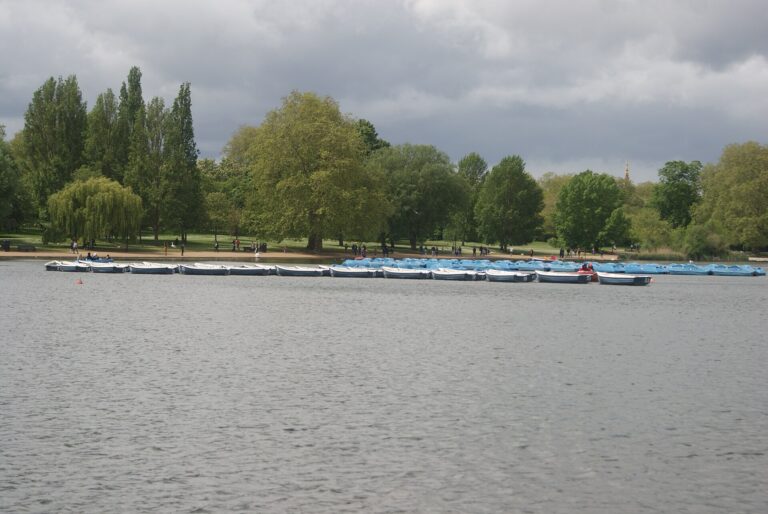
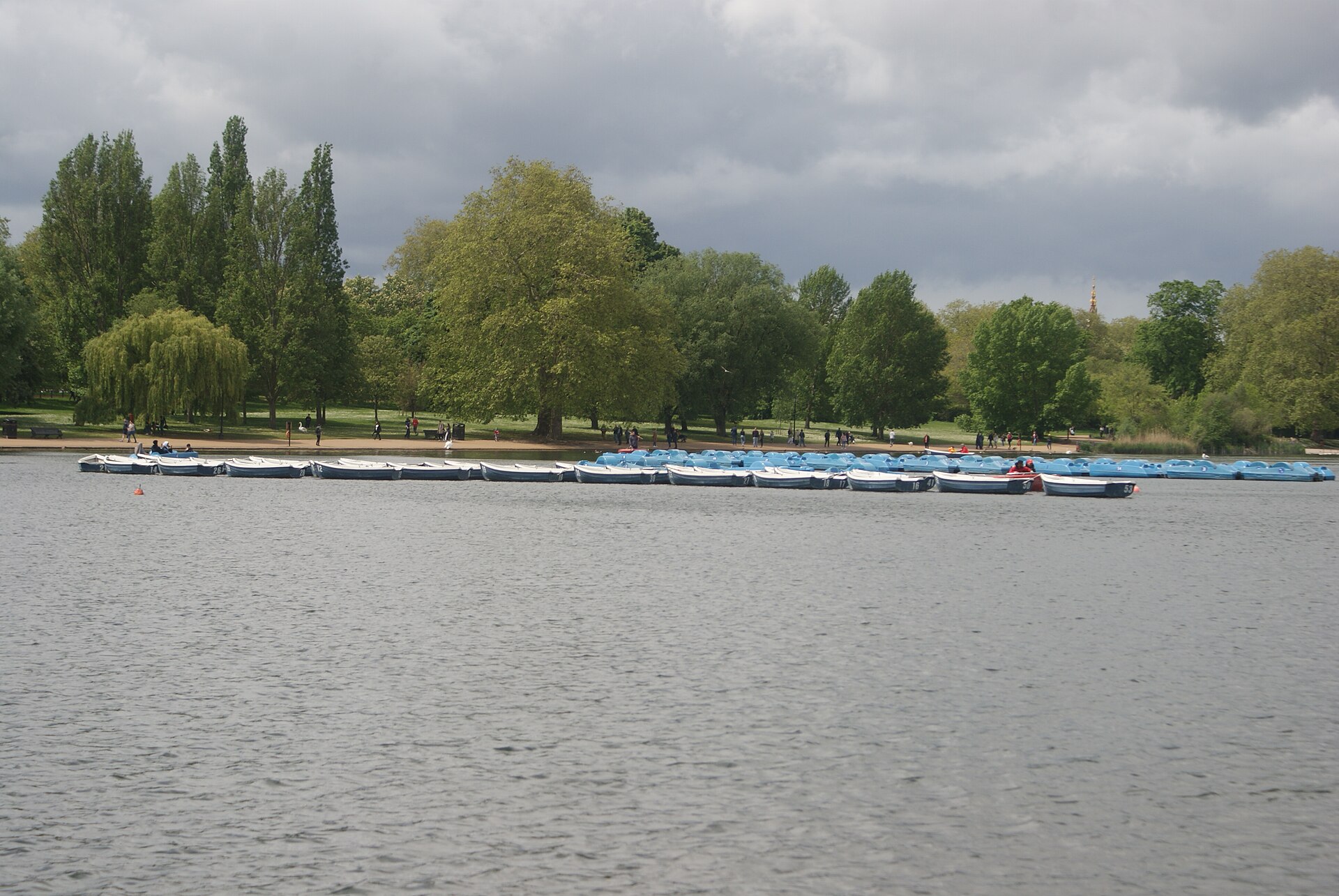
The Serpentine is the heart of the park. Queen Caroline, wife of George II, created it around 1730 by damming the Westbourne stream, and it was one of the first artificial lakes designed to look natural, all curves instead of straight lines. Copycat lakes followed in parks and gardens across the country. There are cafés along the banks, and it’s worth looking for the heron under the bridge.
Rowing boats, pedalos and electric pedalos are for hire all year from 10am: daily from late March to October, and Wednesday to Sunday from November to March, weather permitting. They close at 6pm in April and May, 8pm from June to August, 7pm in September and at dusk from October to March. Each boat takes up to 4 adults. Prices are per person as of 29 September 2026; electric pedalos are charged per boat, £52 for 30 minutes.
| 1 hour | Adult £13.95; 10am to noon, £9.50. Child aged 3 to 15, £6.95 (£5.55). |
| 30 minutes | Adult £10.95; 10am to noon, £7.10. Child, £4.95 (£3.45). |
| Family, 1 hour | 2 adults and up to 3 children, £37.10; 10am to noon, £25.35. Under-3s and carers go free. |
In the south-west corner of the lake is the Lido, a 100m swimming area and home to the Serpentine Swimming Club, Britain’s oldest open-water swimming club. Public swimming is seasonal: weekends from mid-May, then daily from June to mid-September, 10am to 6pm. The 2026 season ended on 24 September and public swimming returns in 2027. Swimming anywhere else in the lake is not allowed.
The Diana, Princess of Wales Memorial Fountain
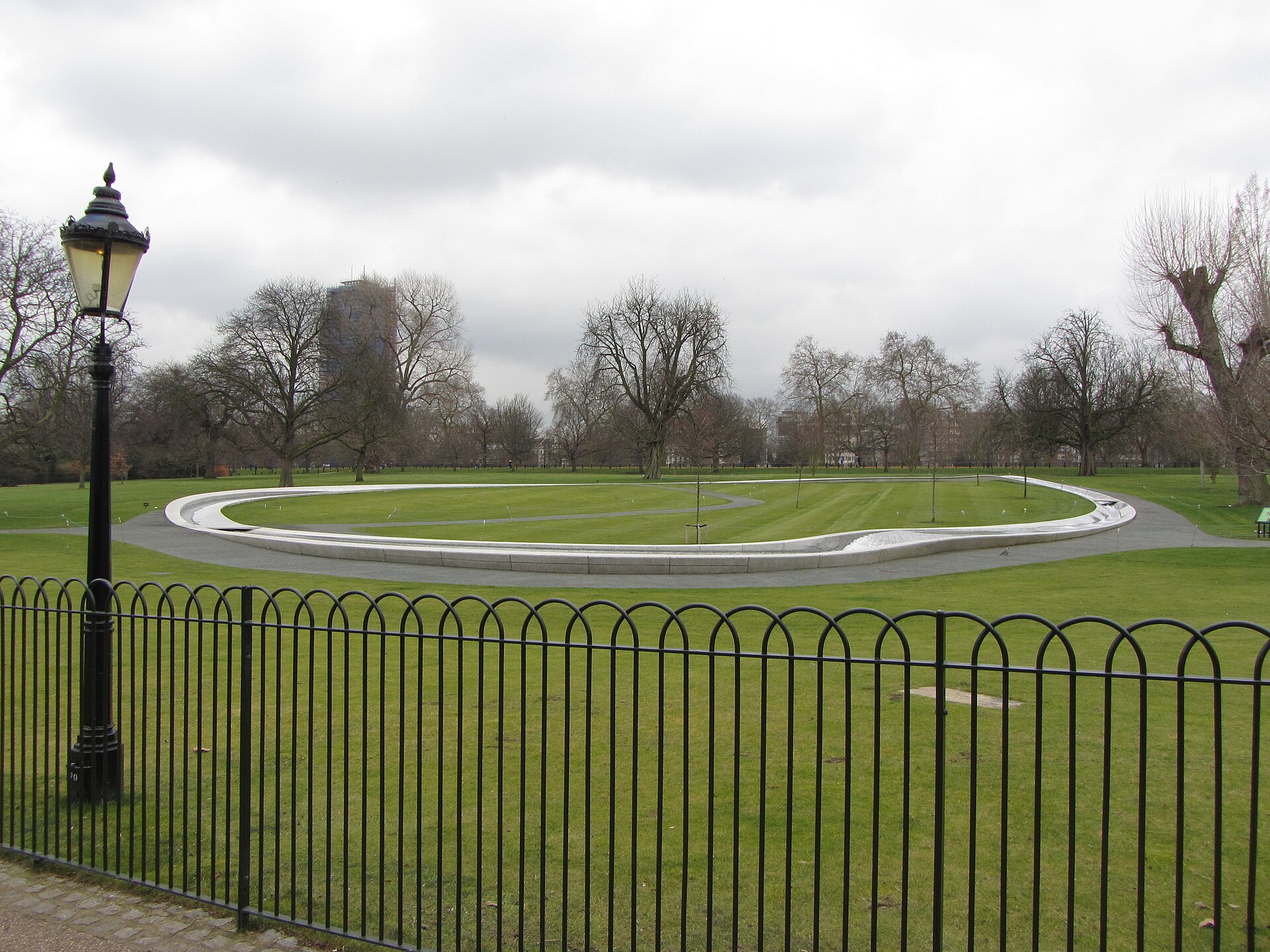
Follow the south bank west, about 700m from the middle of the park, and you reach the memorial fountain to Diana, Princess of Wales, opened by Queen Elizabeth II on 6 July 2004. It’s made of 545 pieces of Cornish granite, each shaped by computer-controlled machines and fitted together by hand. The water leaves the highest point, flows downhill in two directions and meets again in a calm pool at the bottom. 3 bridges take you into the middle, and you’re welcome to sit on the edge and cool your feet.
As of 29 September 2026, the fountain is closed after a major fault in the park’s water system, with no reopening date yet. When it’s open, the hours change with the season: April to August, 10am to 8pm; September, until 7pm; March and October, until 6pm; November to February, 10am to 4pm. No dogs, except assistance dogs, and no alcohol.
Speakers’ Corner
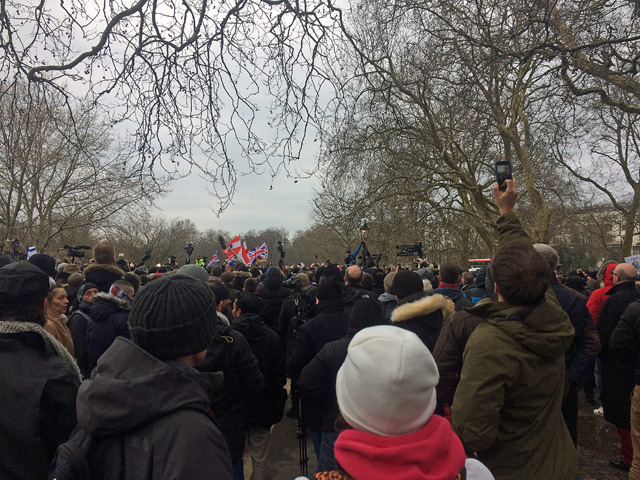
In the north-east corner, by Marble Arch and Oxford Street, is Speakers’ Corner. The Tyburn gallows stood close by from 1196 until 1783, and more than 50,000 people were executed there. Every condemned prisoner could make a final speech, and the habit of speaking out stayed on in the park. An act of Parliament in 1872 set this part of Hyde Park aside for public speaking. Karl Marx, Lenin and George Orwell all spoke here.
The time to go is Sunday morning. Anyone can turn up unannounced and talk about anything, as long as it’s lawful, and it’s not unusual to find a crowd listening.
Hyde Park history: from royal hunting ground to the people’s park
In 1536, Henry VIII acquired this land from the monks of Westminster Abbey to hunt deer. From 1603, James I let in a select group of courtiers, and in 1637 Charles I opened it to everyone. In 1665, during the Great Plague, Londoners fleeing the City camped here.
William III had 300 oil lamps put up along the road between St James’s Park and Hyde Park, making it the first artificially lit road in the country. That road is Rotten Row, a corruption of “Route de Roi”, the King’s Road, and it’s still a sandy riding track today.
In 1851 the park hosted the Great Exhibition in the Crystal Palace: 100,000 objects, more than 15,000 contributors and 6 million visitors. Where the glass palace stood there are now football pitches and tennis and padel courts you can book. And on 21 June 1908, 250,000 women marched here to demand the vote, with 20 speakers’ platforms.
That’s why it’s called “the people’s park”: the suffragettes spoke here, the Rolling Stones played by the lake, the UK’s first Pride march started here and Nelson Mandela took the stage.
Monuments and quiet corners
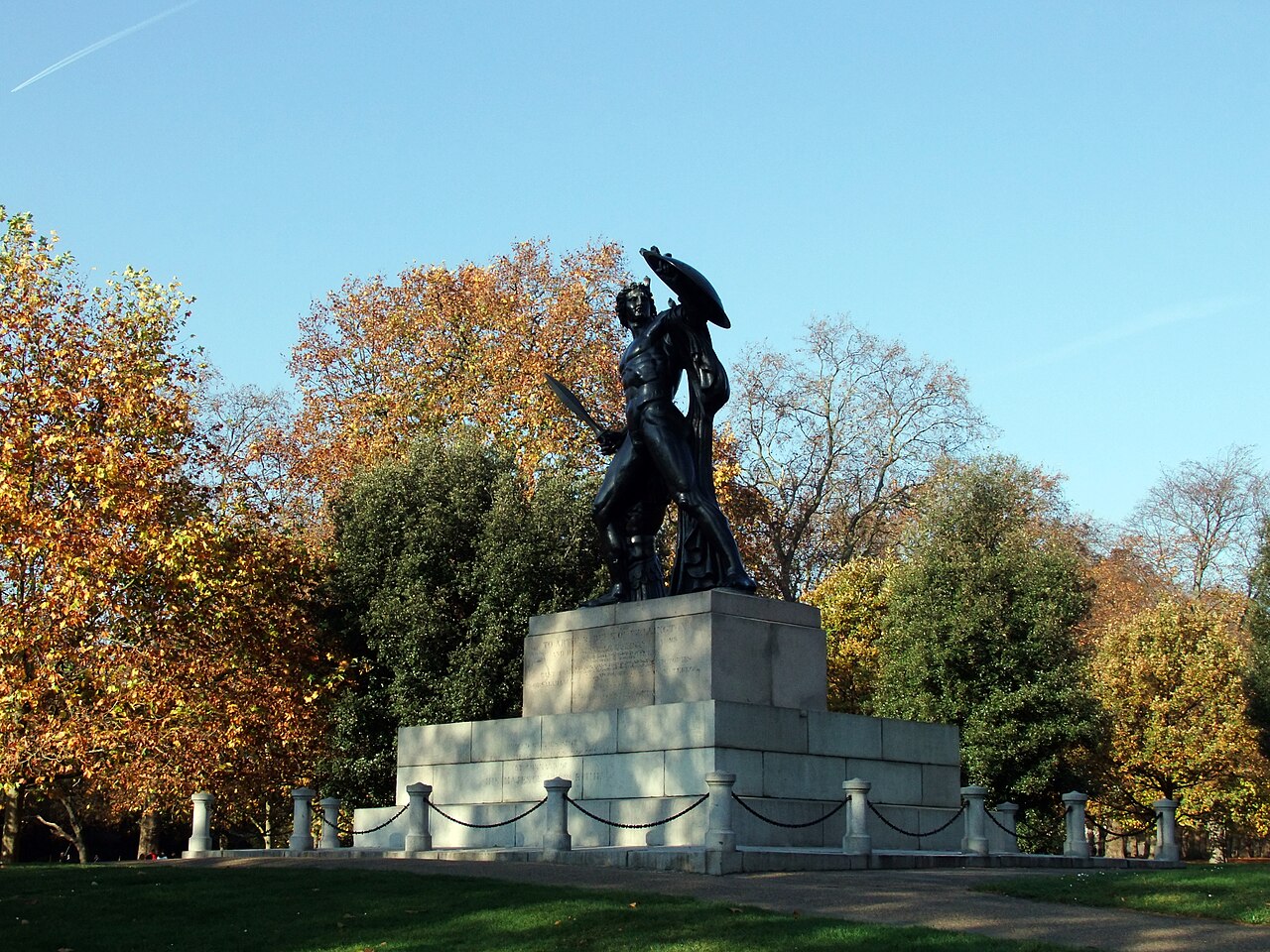
By Hyde Park Corner stands Achilles, the tribute to the Duke of Wellington. It’s 18ft tall, was unveiled on 18 June 1822 and was cast from 33 tonnes of bronze from cannons captured in his campaigns. It was the first statue in the park, and because it was completely nude, a small fig leaf was added soon afterwards. Next to it, Apsley Gate (1826-1829) was designed by Decimus Burton when he was just 25, and its friezes copy the Parthenon marbles.
Beside Rotten Row is the Rose Garden, with the Boy and Dolphin fountain (1862) and the Huntress fountain (1906). The 7 July Memorial remembers the 52 people killed in the 2005 London bombings with 52 stainless steel pillars, each 3.5m high, and among white-stemmed birches east of The Dell is the Holocaust Memorial of 1983, the first in Britain. The bandstand, built in 1869, is one of the oldest in the country.
A few park rules worth knowing: picnics are welcome but barbecues aren’t; dogs go on a lead in the Rose Garden and around the Serpentine; and please don’t feed the wildlife. There are 4 main cafés, including the Serpentine Bar & Kitchen and the Lido Café, plus kiosks around the park.
Accessibility and Winter Wonderland 2026
The Diana fountain has a wheelchair-friendly path, and the park map marks the accessible toilets. Blue Badge holders park free for up to 4 hours in the car parks and in the dedicated bays on West Carriage Drive and South Carriage Drive. On the lake, electric pedalos are there for anyone who needs a little help pedalling.
In winter the park fills with lights and rides for Winter Wonderland, from 19 November 2026 to 3 January 2027. Tickets are booked on its website, and if you spend at least £25 online on rides or food, your entry is free.
Combine it with other London audio guides
Hyde Park sits on the west side of central London. The closest is Buckingham Palace, about 1.7km east-south-east of the middle of the park in a straight line. Keep heading east and you reach the London Eye, about 3.1km away across the river.
The British Museum is about 2.8km east-north-east, out through Marble Arch and along Oxford Street, and Tower Bridge is about 6.1km east. Walking is always a bit further than the straight line. You’ll find them all in our London audio guides.
Where to find it
FAQs
How do the free audio guides work?
Our audio guides work through the website audioguidetravel.com; you don’t need to download any app. Just follow the instructions on the website to guide you through Hyde Park: free audio guide, opening times and what to see while listening to our experts’ explanations.
Can I take the tour at my own pace?
Of course! Our free audio guides are designed so that you set the pace. You can pause, rewind, or listen as many times as you want without missing a detail. By visiting Hyde Park: free audio guide, opening times and what to see your way, you’ll enjoy it even more.
If I'm in a group, can we use the same audio guide?
Yes, our website allows sharing the same free audio guide among multiple devices. This way, you can visit Hyde Park: free audio guide, opening times and what to see as a group or family, listening to the explanations simultaneously. The quickest way to do this is to share the link via WhatsApp, email, or any method you like. I’ve included some buttons below for you to do that now.
Visitor information
As of 29 Sep 2026- Opening hours
- Every day, 5am to midnight. Boats from 10am; November to March, Wednesday to Sunday only.
- Tickets
- Free. Boat hire, 1 hour: adult £13.95, or £9.50 from 10am to noon. Child aged 3 to 15, £6.95.
- Time needed
- About a 3-minute audio guide by the Serpentine: the lake, the Diana fountain and Speakers' Corner.
- Getting there
- Tube: Marble Arch or Lancaster Gate (Central line), Hyde Park Corner or Knightsbridge (Piccadilly).
- Accessibility
- Wheelchair-friendly path at the Diana fountain, accessible toilets and electric pedalos.
- Tip
- Go to Speakers' Corner on a Sunday morning. The Diana fountain is closed by a water fault (29 Sep 2026).
- Official website
- www.royalparks.org.uk
Nearby
More free audio guides in London
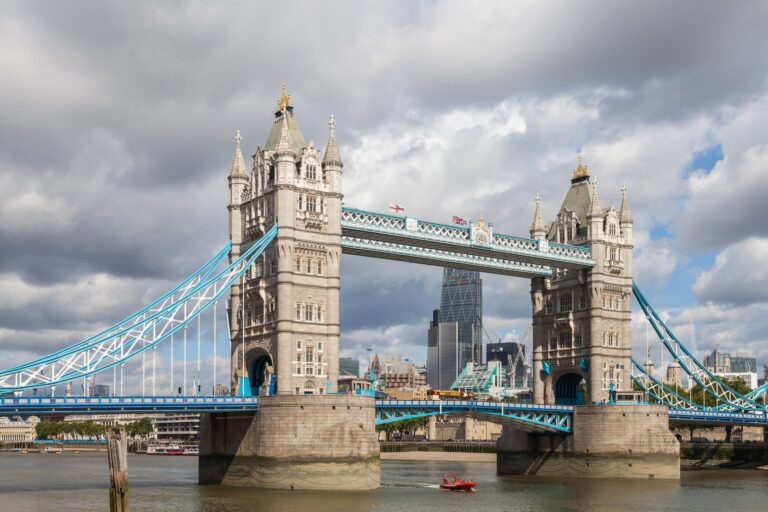 2:44LondonTower Bridge: free audio guide, hours and ticketsTower Bridge is the bascule bridge that Horace Jones and John Wolfe Barry designed and that went up…
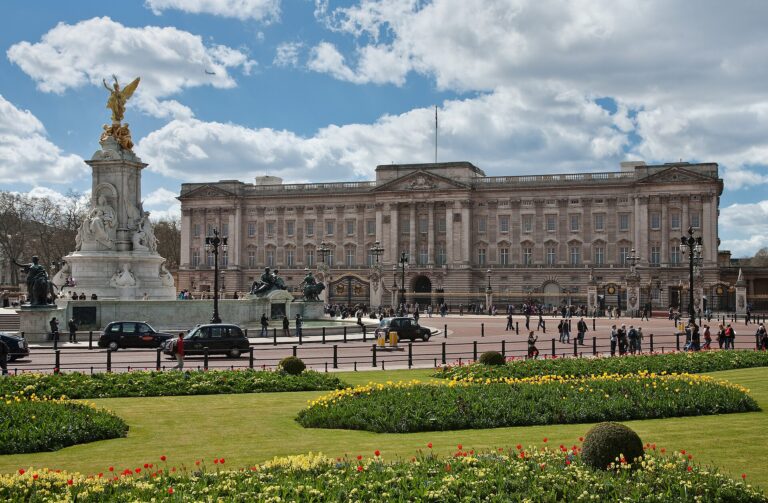 2:44LondonBuckingham Palace: free audio guide, tickets and opening timesBuckingham Palace began as a townhouse built in 1703 for the Duke of Buckingham and became a palace…
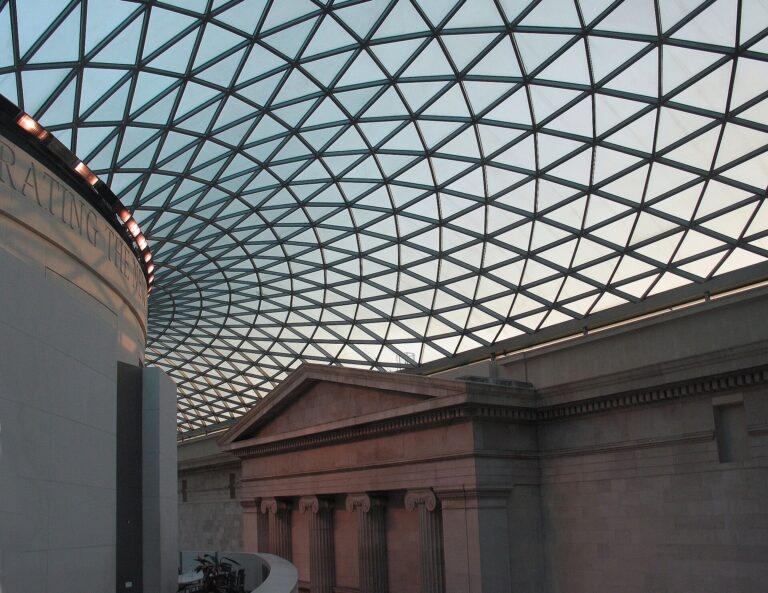 3:04LondonBritish Museum: free audio guide, opening times and ticketsThe British Museum is London’s great museum of human history. It was founded in 1753, opened in 1759…