
Florence Cathedral: free audio guide, dome tickets and hours
Free audio guide in English · no app, no sign-up
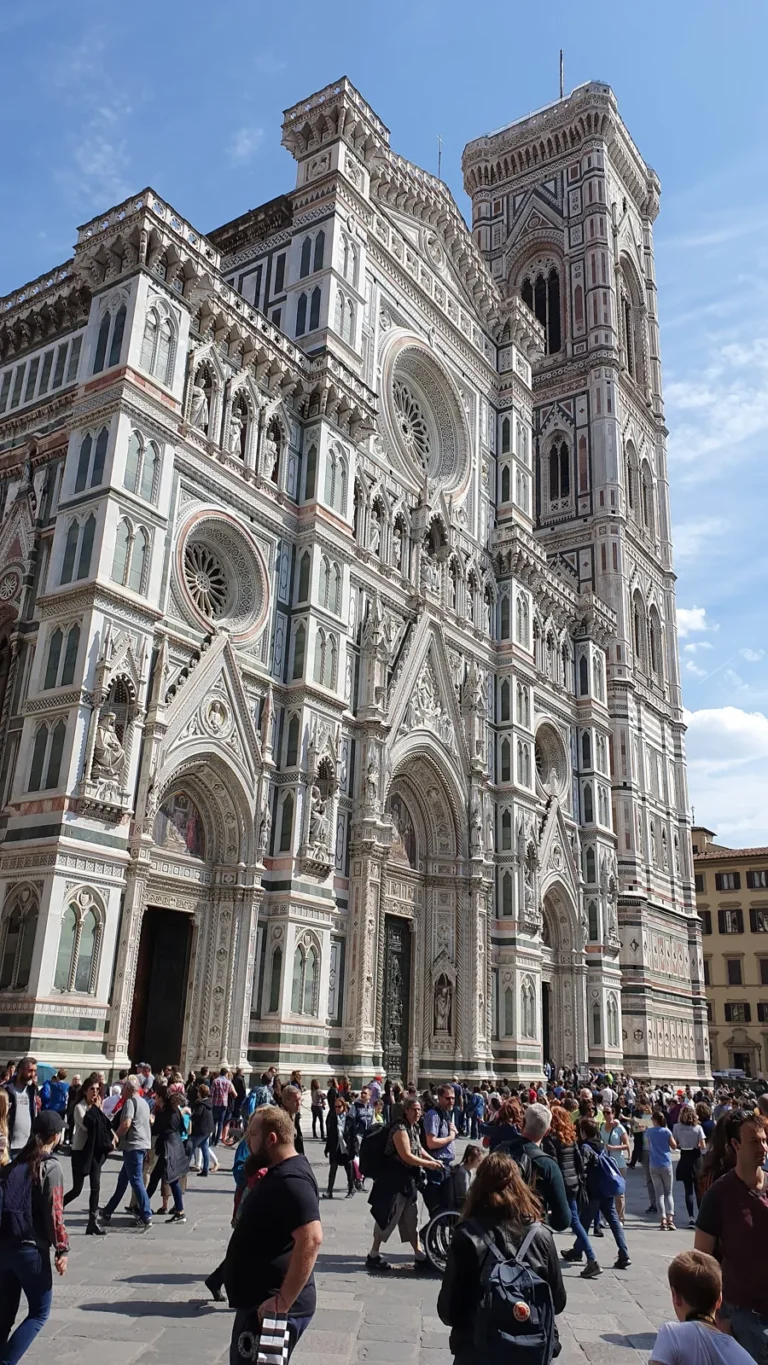
The free Florence Cathedral audio guide lasts about 5 minutes and is made for listening in the Piazza del Duomo. It tells how the cathedral took 140 years to build, why the facade is from 1887, how Brunelleschi raised his dome without a wooden frame, what to look for inside and what the climb to the top is like.
 Audio guide
Before you go in
The few things that change your visit.
- Entry to the cathedral is free: you pay for the dome, the bell tower, the Baptistery, Santa Reparata and the museum
- There is no single ticket for the dome: you climb with the Brunelleschi Pass or the guided tour, at a booked time
- The cathedral is closed to visitors on Sundays; Monday to Saturday it opens 10:15 to 15:45
- In November the bell tower closes from 9 to 13 and the dome from 16 to 20
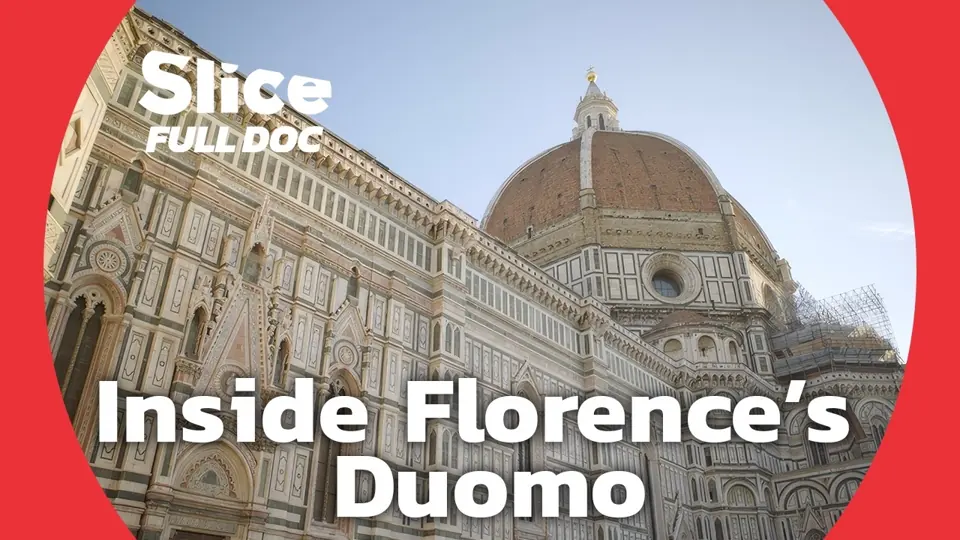
Florence Cathedral, Santa Maria del Fiore, is the Duomo of Florence: a Gothic church clad in white, green and red marble, begun in 1296 and crowned by Brunelleschi’s dome, still the largest masonry dome ever built. Going inside is free. The dome, the bell tower, the Baptistery, Santa Reparata and the museum are visited with one of 3 passes. This free audio guide lasts about 5 minutes.
What the audio guide covers
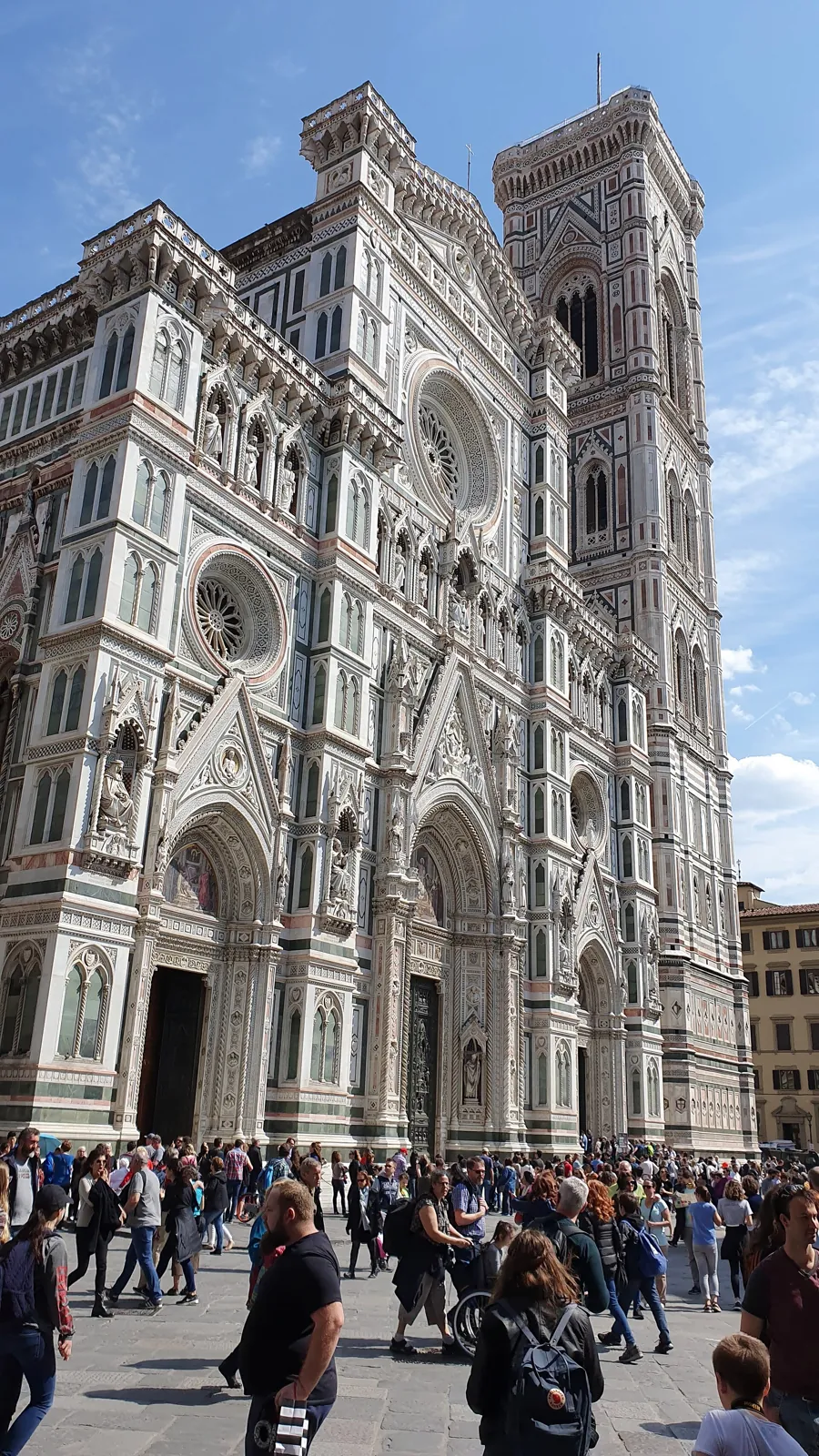
It plays on this page, in your phone’s browser, with no app and no sign-up. Stand in the Piazza del Duomo, somewhere you can see the facade, the bell tower and the dome at once, and press play. It has 6 stops:
| 140 years of building | The first stone of 1296, Arnolfo di Cambio, Giotto’s bell tower and where the name “of the Flower” comes from. |
| The facade | Why the marble front, which looks medieval, is the youngest part of the building (1887). |
| The dome nobody knew how to build | A 45.5 m gap, the competition of 1418, the double shell, the herringbone bricks and the story of the egg. |
| Inside the cathedral | Uccello’s clock, the 2 painted horsemen, Dante with his Divine Comedy and the Last Judgement in the dome. |
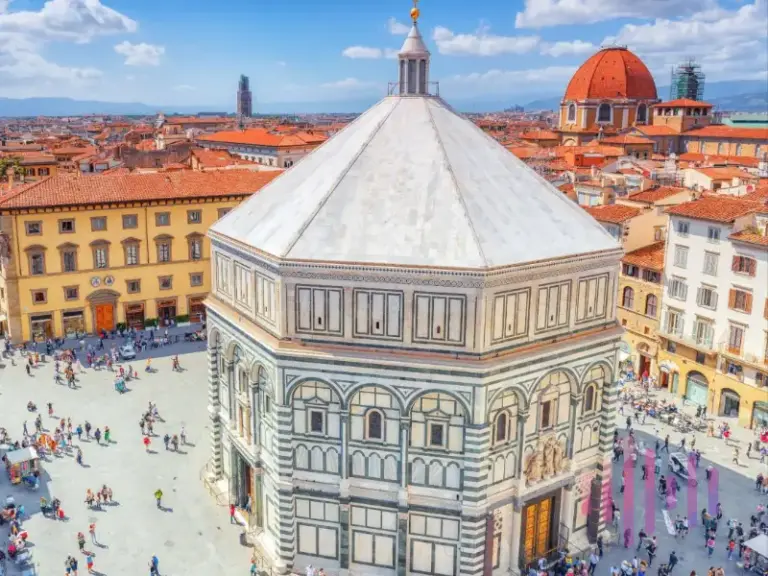
| The Baptistery | The 8-sided building opposite and Ghiberti’s Gates of Paradise (copies; the originals are in the museum). |
| Climbing the dome | The 463 steps between the 2 shells, the walkway beside the fresco and the view from the lantern. |
It ends with 3 practical tips: book the climb for early morning or late afternoon, leave your bag at the free left-luggage office, and put the phone away for a minute at the top.
A cathedral that took 140 years and a dome nobody could build
The first stone went down on 8 September 1296, on top of Santa Reparata, the city’s older cathedral. The design was by Arnolfo di Cambio, and for more than a century the work passed from one master to the next. Giotto took charge in 1334 and designed the bell tower, but died 3 years later with only its first levels begun. Andrea Pisano carried on and Francesco Talenti finished the tower in 1359, with its crowning terrace 84.7 m above the ground.
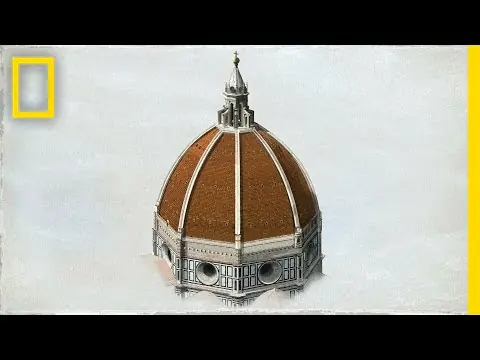
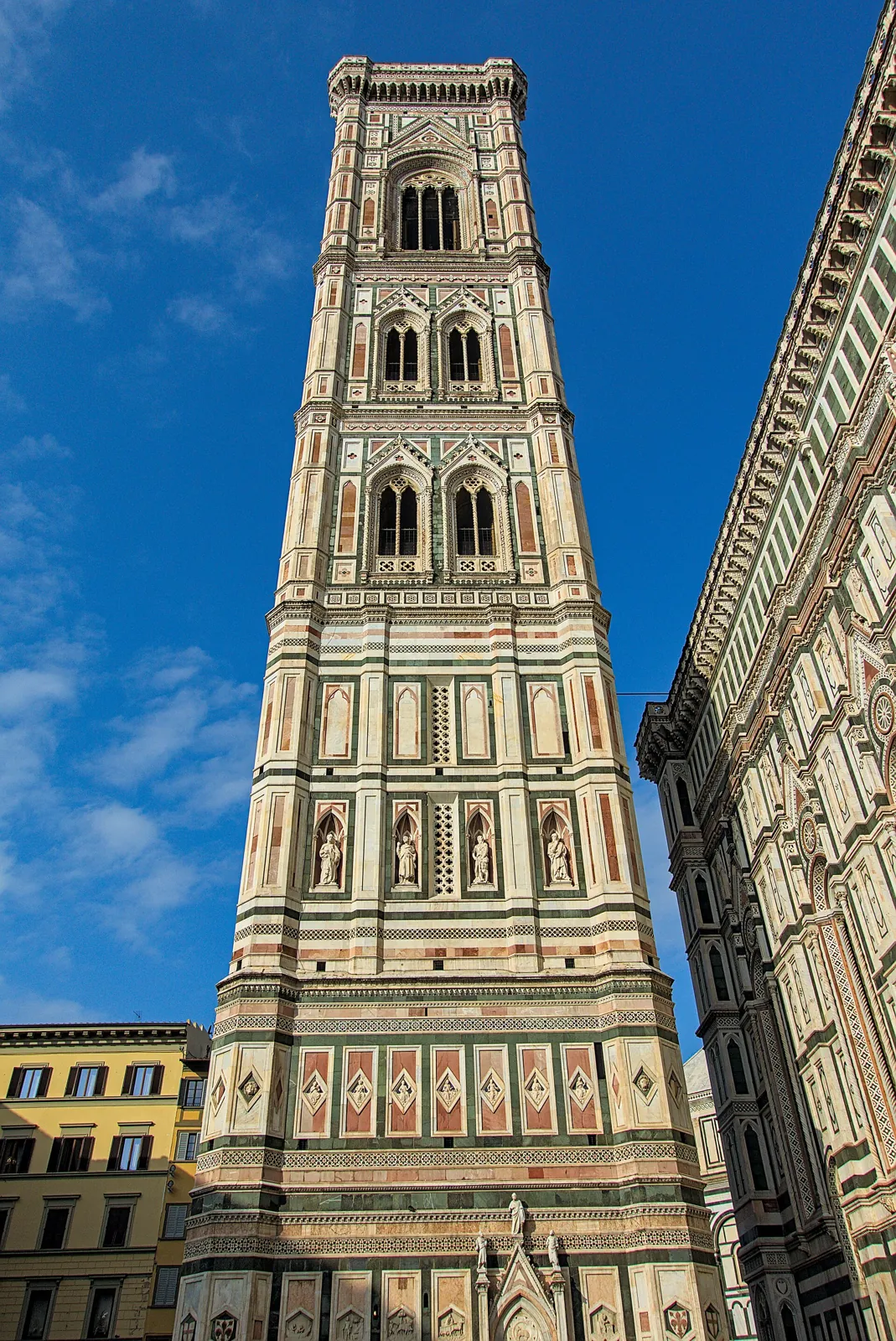
The real problem was the crossing. The walls left a gap 45.5 m wide, and no timber was long or strong enough to build the wooden frame that a dome of that size would normally sit on while it was going up. A competition was called in 1418, and Filippo Brunelleschi came out of it with his answer: a double dome, an inner and an outer shell tied together by ribs, with the bricks laid in a herringbone pattern so that each ring carried itself as it rose. He built it between 1420 and 1436 without a wooden frame, and Pope Eugene IV consecrated the cathedral on 25 March 1436.
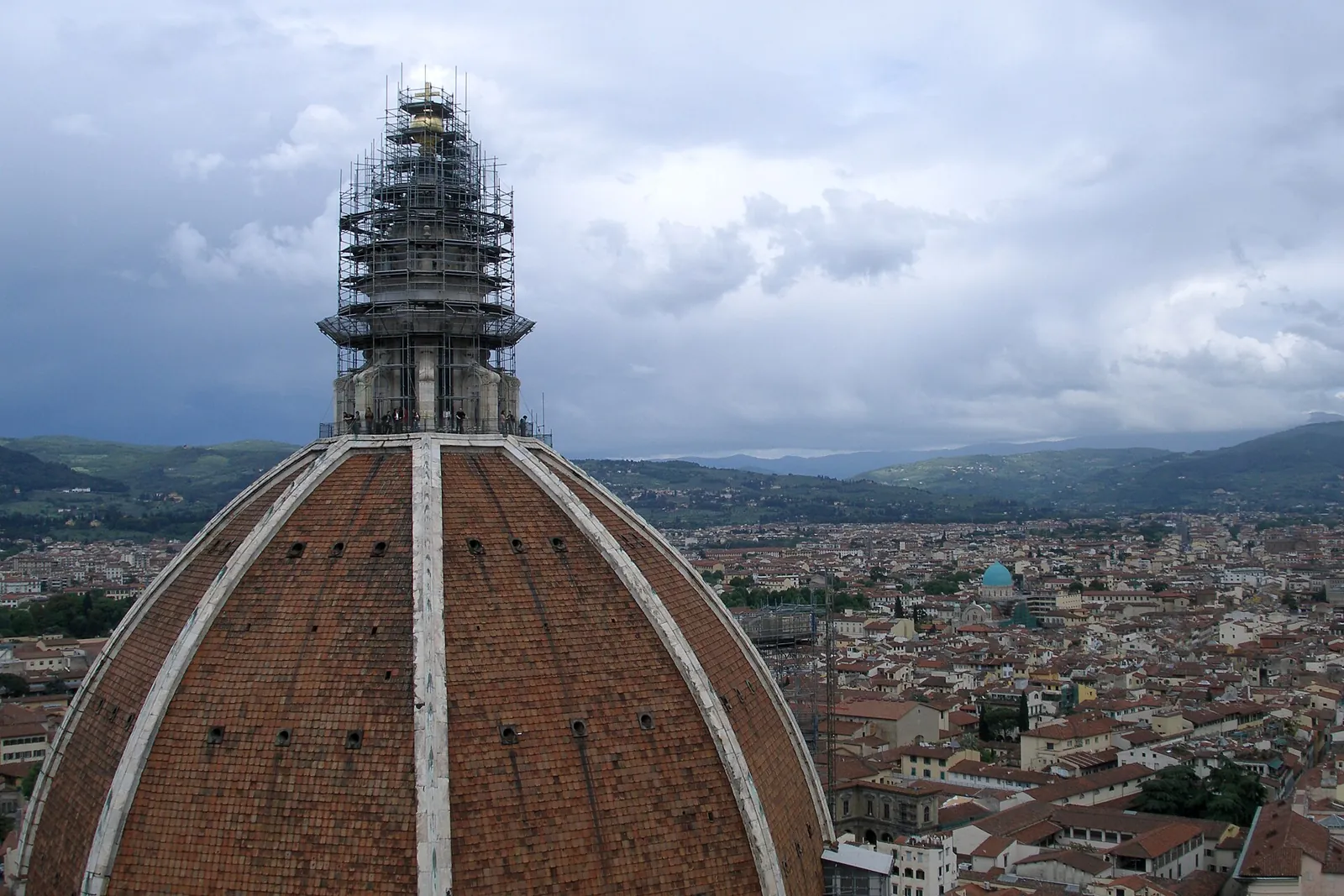
Brunelleschi also won the competition for the lantern, which was begun a few months before he died in 1446 and completed on 23 April 1461. The gilded copper ball on top was designed by Verrocchio in 1468 and raised in 1471; lightning brought it down in 1601, and the one you see today went up in 1602. The facade came last of all: Emilio De Fabris designed it in the 19th century, and it was finished in 1887.
What to see inside Florence Cathedral
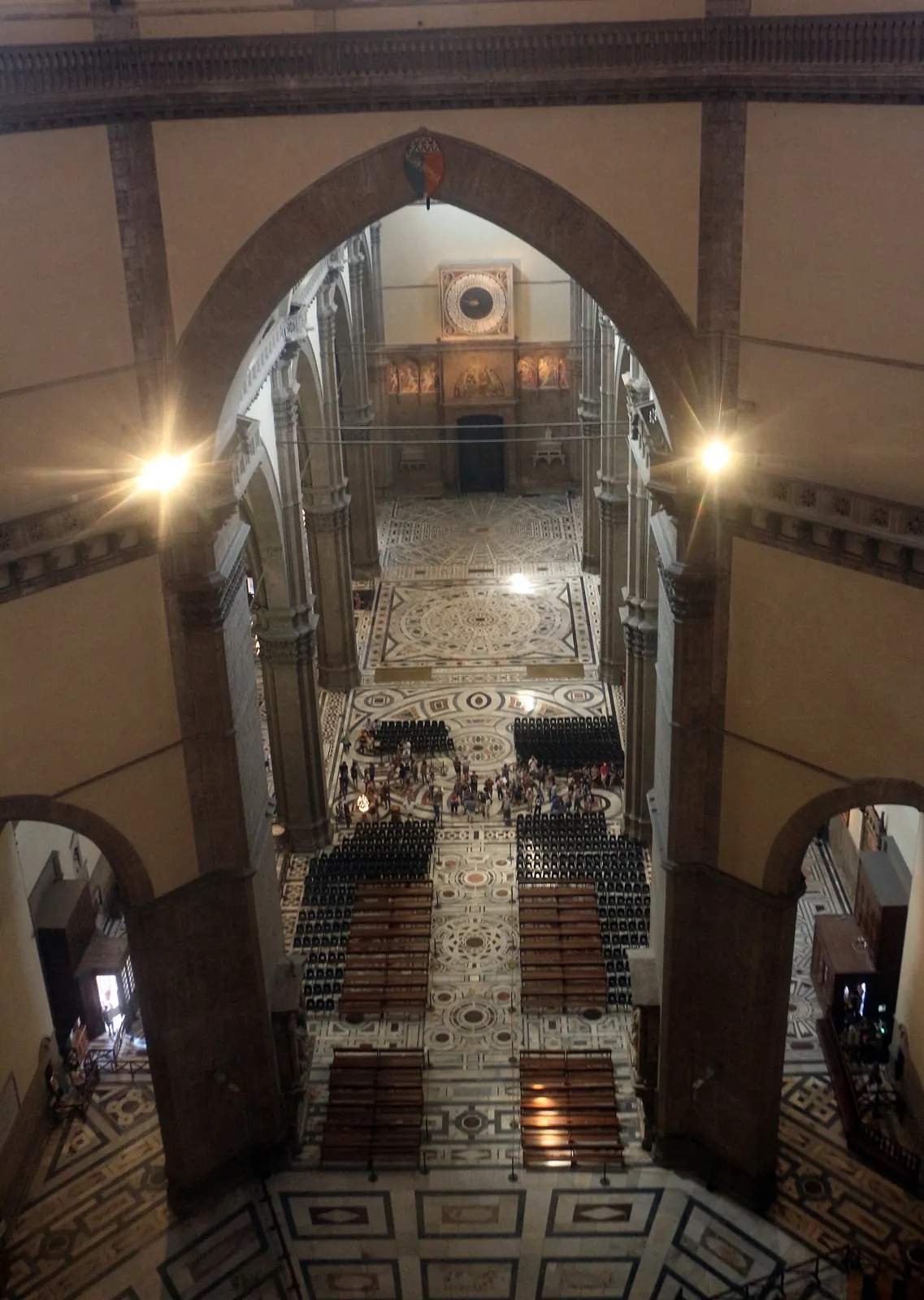
The inside is the free part, and the quickest to see. What hits you first is the scale: 3 aisles divided by huge pillars and Gothic arches, a floor of inlaid marble from the 16th and 17th centuries, and the light of 44 stained-glass windows, designed by the great Florentine artists of the 14th and early 15th centuries.
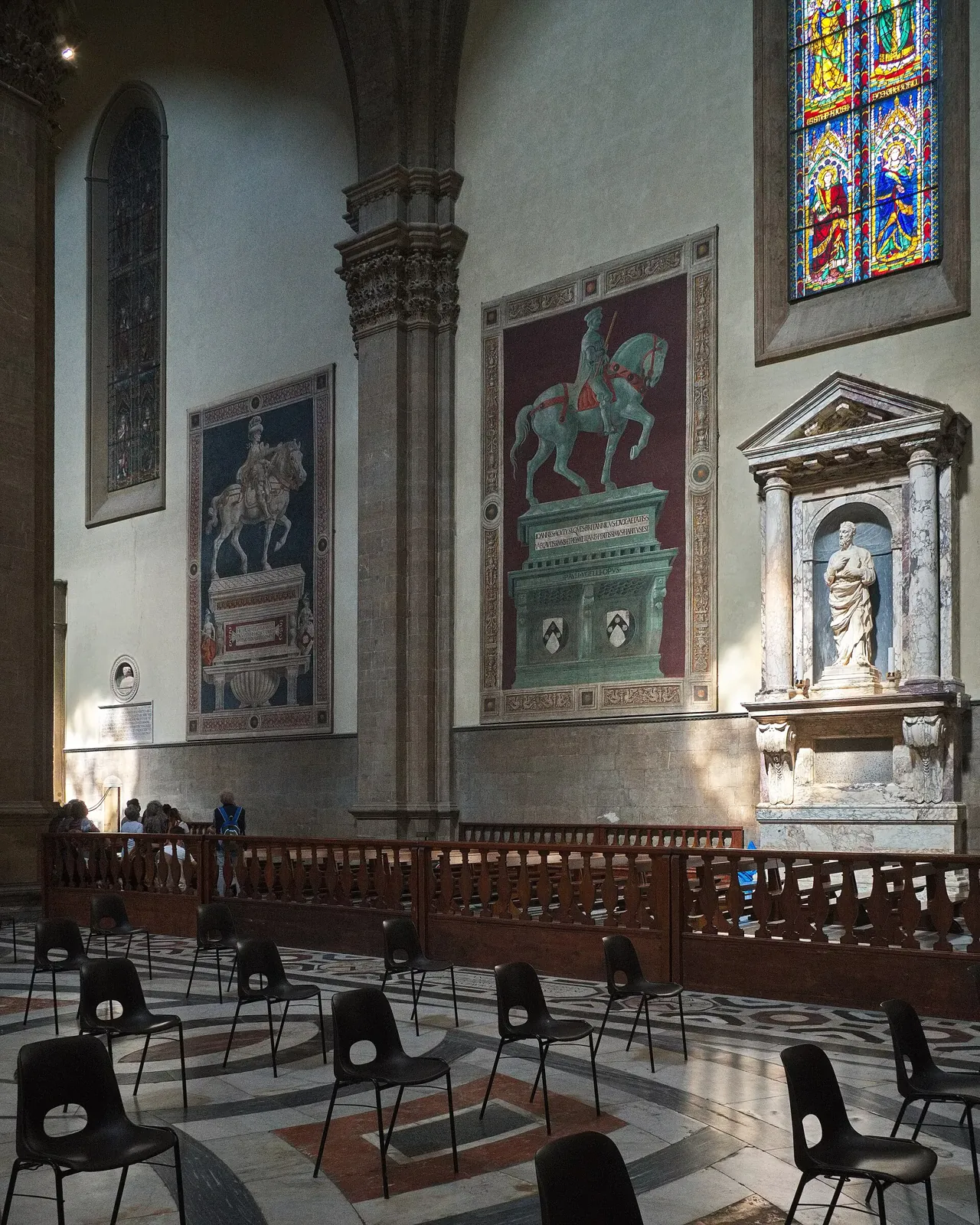
On the walls, look for 3 works of the 15th century: the big clock on the inside of the entrance wall, painted by Paolo Uccello; the 2 giant equestrian portraits of John Hawkwood and Niccolò da Tolentino, painted to look like sculpted monuments; and the portrait of Dante holding his Divine Comedy, by Domenico di Michelino.
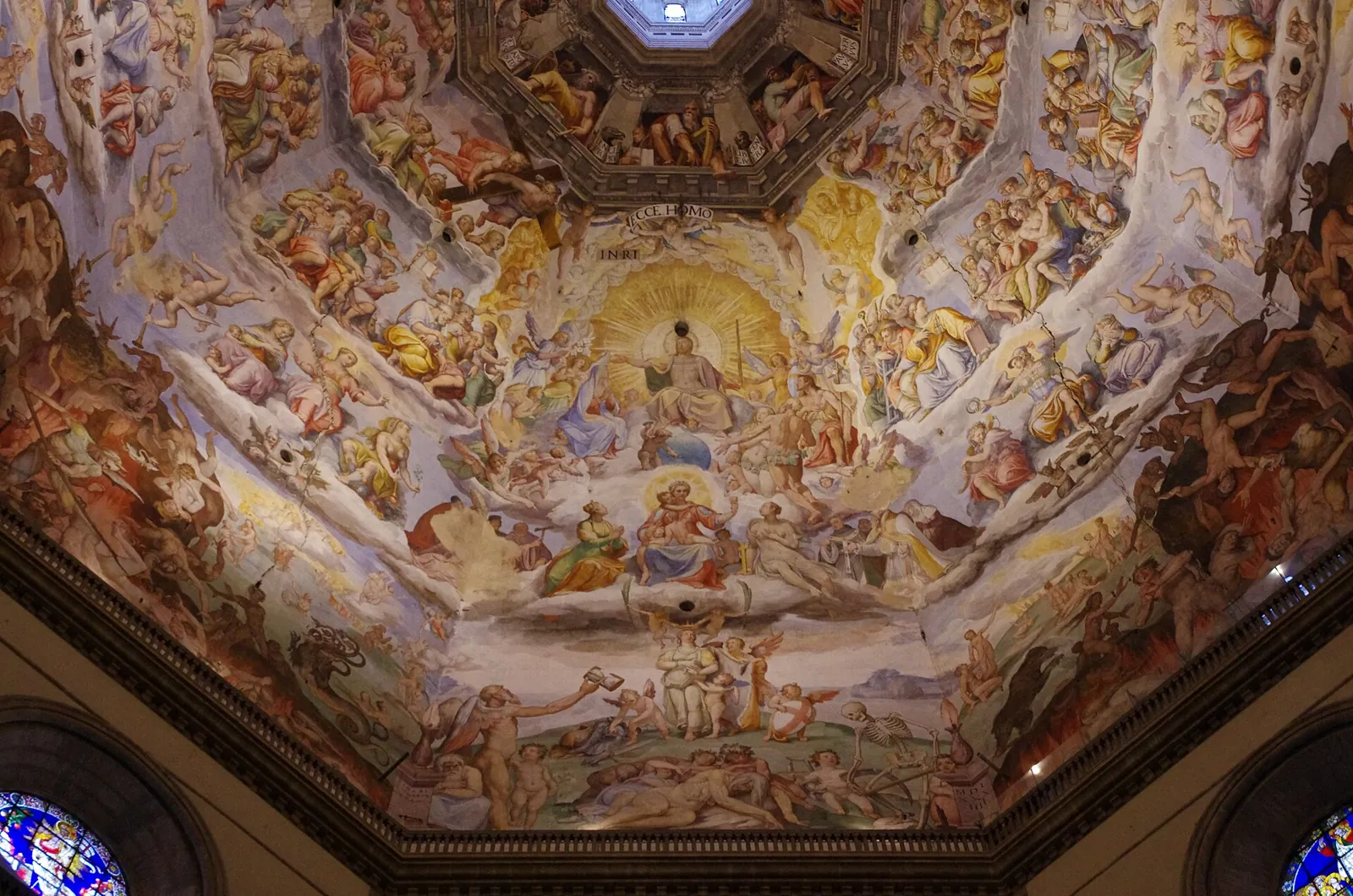
When you reach the space under the dome, look straight up: the Last Judgement painted by Giorgio Vasari and Federico Zuccari between 1572 and 1579 covers the whole vault. Around the octagon open the 3 tribunes, each with 5 chapels.
Under the floor are the remains of Santa Reparata, the church that stood here before. You can visit it with any of the 3 passes, Monday to Saturday from 10:15 to 16:00 and on Sundays and religious holidays from 13:30 to 16:00; with the Ghiberti Pass you go in at the time slot you chose when you bought it.
Across the square stands the Baptistery of Saint John, the 8-sided building with the bronze doors, which has its own free audio guide.
 Free audio guideBaptistery of Saint John, Florence
Climbing the dome and Giotto’s bell tower
The climb to the top of the dome is 463 steps, and there is no lift. The path runs through the space between the 2 shells and along the inner walkways, where you see the Last Judgement and the windows of the drum from close up, and it comes out into the open air at the foot of the lantern. You can only climb with the Brunelleschi Pass or on the guided tour of the dome, and always at a booked time. The Opera does not recommend it to anyone with heart problems, vertigo or claustrophobia.
The Brunelleschi Pass is personal: when you buy it you enter the first name, surname and nationality of each visitor, and you show an ID at the dome entrance. Turn up on time: there is a margin of about 5 minutes.
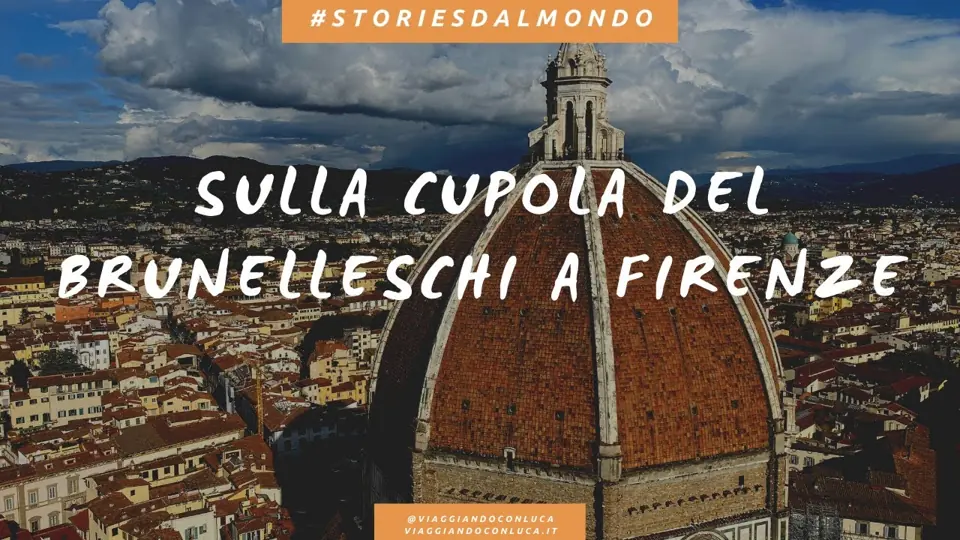
Giotto’s bell tower has 414 steps and no lift either; the climb passes 3 open loggias on its way to the terrace at the top, with views over the whole city. With the Giotto Pass you climb at your booked time; with the Brunelleschi Pass, whenever you like during its 3 days. The tower is in the middle of a major restoration: the terrace stays open, but the works can block part of the view.
Opening hours, tickets and getting there
Entry to the cathedral is free and needs no ticket, but it is only open to visitors Monday to Saturday, 10:15 to 15:45; on Sundays and religious holidays it is closed for worship. Dress as for a place of worship: no flip-flops, bare shoulders or legs uncovered above the knee. Visitors with reduced mobility go in through the Porta dei Canonici, on the right-hand side of the cathedral.
Everything else is covered by one of 3 passes, valid for 3 calendar days with one entry per monument: Ghiberti (€15) for the museum, the Baptistery and Santa Reparata; Giotto (€20), which adds the bell tower; and Brunelleschi (€30), which adds the dome. Ages 7 to 14 pay €5, €7 and €12, and children under 7 go free. There is no single ticket for any monument, and no skip-the-line option: the booked time does that job. The guided tour of the dome costs €50 (€30 for ages 7 to 14), and a guided tour of the cathedral, €17, both in Italian and English. Students with a student card can buy the Ghiberti Pass for €5, but only at the ticket office. (Prices and hours from the Opera di Santa Maria del Fiore, checked on 28 October 2026.)
The dome is open Monday to Friday from 08:15 to 18:45, on Saturdays from 08:15 to 16:30 and on Sundays and public holidays from 12:45 to 16:30 (times of the last slot); the bell tower, every day from 08:15 to 18:45 (last slot). The whole complex closes on 25 December, 1 January and Easter Sunday. The Opera posts any change on its opening hours page.
The cathedral stands in the Piazza del Duomo, in the historic centre of Florence. The official ticket office and info point is next door, at Piazza San Giovanni 7: Monday to Saturday from 08:00 to 19:15 and on Sundays from 10:15 to 17:45.
A short walk away, at the Galleria dell’Accademia, is Michelangelo’s David, with its own free audio guide. All our audio guides for the city are on our Florence page.

Where to find it
FAQs
How do the free audio guides work?
They play right here on audioguidetravel.com, with no app to download and no sign-up. Press play and listen as you walk round: a phone and a pair of headphones are all you need. The audio streams from this page, so you’ll need mobile data or Wi-Fi.
Can I take the tour at my own pace?
Of course! You set the pace: pause whenever you like, jump back or forward 15 seconds, or tap the bar to jump to any point, and listen as many times as you want so you don’t miss a thing.
If I'm in a group, can we use the same audio guide?
Yes. The same free audio guide opens on as many phones as you like, so you can go round together as a group or with your family, each person at their own pace and with their own headphones. The quickest way is to send the link via WhatsApp, Telegram or however you like: the buttons just below let you share it right now.
Visitor information
As of 28 Oct 2026- Opening hours
- Cathedral: Mon–Sat 10:15–15:45; closed to visitors on Sundays and religious holidays
- Tickets
- Cathedral free · passes: Ghiberti €15, Giotto €20, Brunelleschi €30 (with the dome)
- Time needed
- Audio guide about 5 min · the 3 passes are valid for 3 calendar days
- Getting there
- In the Piazza del Duomo, historic centre of Florence; ticket office at Piazza San Giovanni 7.
- Accessibility
- Reduced mobility: Porta dei Canonici (right side). Dome: 463 steps, no lift
- Tip
- Buy your pass online: the ticket office has no extra places and dome times can't be changed
- Official website
- duomo.firenze.it
Nearby
More free audio guides in Florence
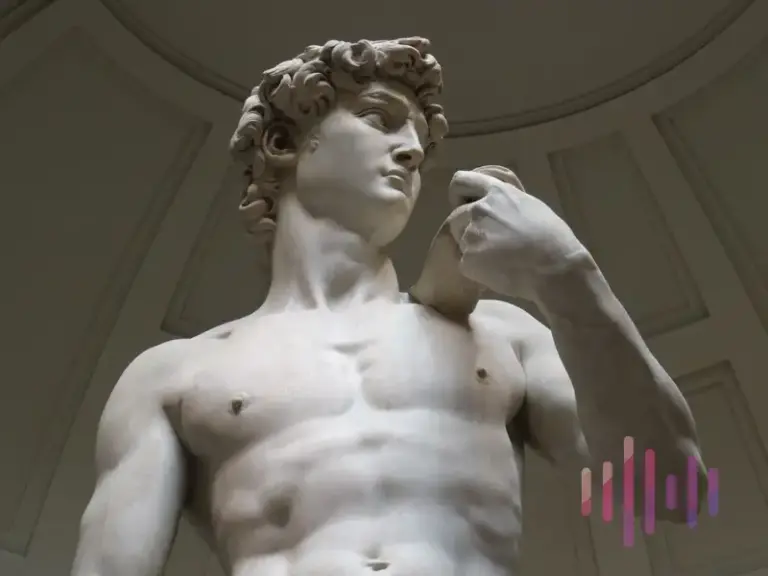 9:08FlorenceMichelangelo’s DavidImmerse yourself in the vibrant heart of Florence, where Michelangelo’s David awaits to captivate you with its imposing…
 9:20FlorenceBaptistery of Saint John, Florence: free audio guideFree audio guide to the Baptistery of Saint John in Florence, in English: 9 minutes on the octagon…