
London Eye: free audio guide, tickets and opening hours
Free audio guide in English · no app, no sign-up
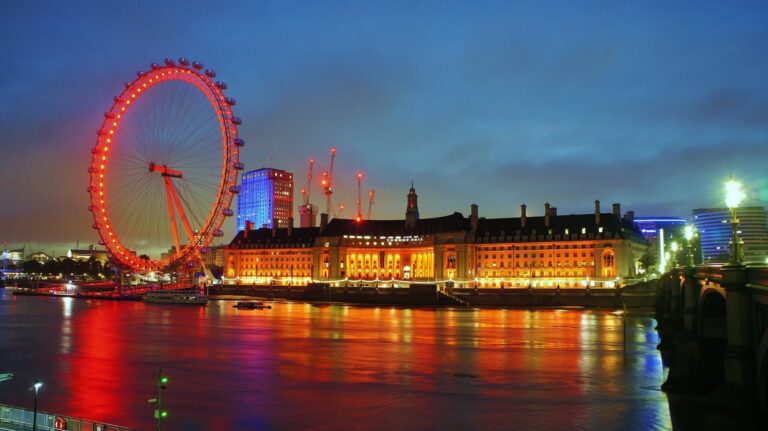
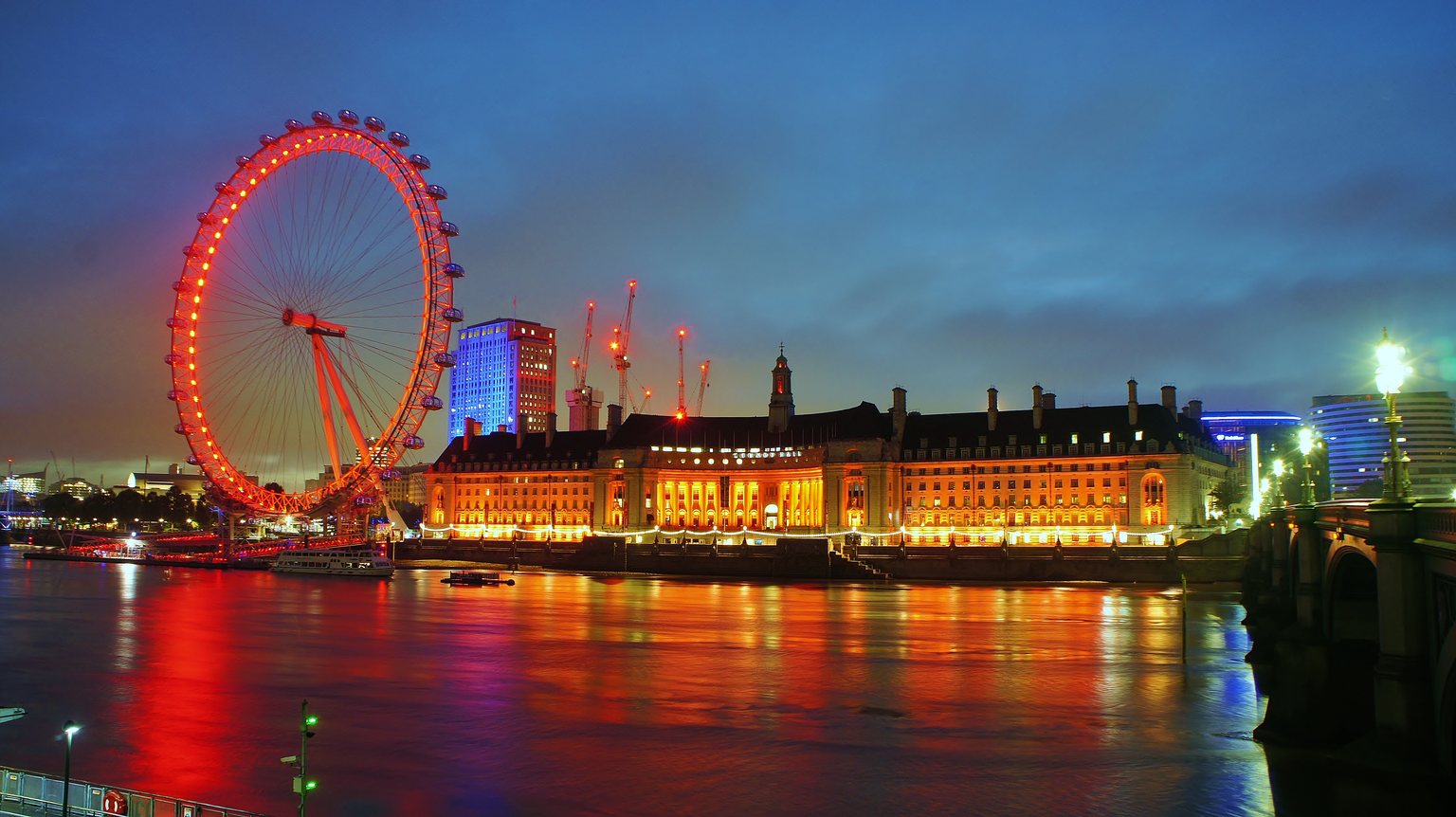
The London Eye is the 135 m observation wheel that David Marks and Julia Barfield designed for the millennium and that opened on 31 December 1999, opposite Big Ben. Its 32 capsules take 30 minutes to go round, with views of up to 40 km on a clear day.
 Audio guide
Before you go in
The few things that change your visit.
- An adult ticket costs from £29 online or £39 at the desk
- Your ticket time is when you join the queue, not when you board
- Closed on 25 December and for a few days in January
- A full turn takes 30 minutes, with up to 40 km of view on a clear day
- Wheelchairs: 2 per capsule and 8 on the wheel, so book a slot; carers go free
The London Eye is the 135 m observation wheel on the South Bank of the Thames, facing Big Ben and the Houses of Parliament. A full turn takes 30 minutes in a glass capsule for up to 25 people, and an adult ticket costs from £29 online or £39 at the ticket desk. This is its free audio guide, made for the queue: the time on your ticket is when you join it, not when you board.
What the audio guide tells you
The audio guide lasts about 2 minutes 30 seconds. Press play in the queue or as your capsule leaves the platform: it opens with 2 tips for the wait and ends by handing you a compass for the top. These are its stops:
| Before you board | What the time on your ticket really means, and the free viewing guide worth downloading now. |
| A competition entry | 1993, the architects David Marks and Julia Barfield, and about 100 versions on paper. |
| Built lying down | Assembled flat over the river, raised at 2 degrees an hour, opened on 31 December 1999. |
| Held from one side | The A-frame, the 135 m of height and the 32 capsules, one for each London borough. |
| A wheel that keeps turning | Why you step into a moving capsule, and the 30 minutes of a full turn. |
| Your compass at the top | Parliament across the river, St Paul’s and the Shard to the east, Buckingham Palace to the west. |
| No capsule 13 | Numbered 1 to 33, and yet there are only 32. |
The viewing guide it mentions is a free PDF from the London Eye, with maps to name the rooftops from the capsule. It is on the official London Eye guide page; if you need a connection, the ticket hall has free WiFi (London Eye Guest).
London Eye tickets and prices for 2026
The same ride costs less if you book it online. These were the official prices on 27 September 2026:
| Adult (16 and over) | From £29 online · £39 at the ticket desk |
| Child (2 to 15) | From £26 online · £35 at the ticket desk |
| Under 2 | Free, but they need a ticket in the booking |
| Fast Track Flexi, adult: own entrance, any time on your chosen day | From £49 online · £54 at the ticket desk |
The word that matters is from: online prices move with demand, so the earlier you book, the closer you stay to £29. Tickets are non-refundable, but you can change the date and time up to 1 hour before your slot, up to 3 times.
Can you just turn up? Yes. The ticket desk is inside County Hall, the building next to the wheel, and sells tickets on the day at the desk price. They are not guaranteed, and on busy days the desk price can also rise with demand.
Children aged 15 or under ride with an adult aged 18 or over; at 16 and 17 you can ride alone but cannot take charge of younger children. There is no senior rate. There is no reduced ticket for disabled visitors either, but their carer rides free (more on that below).
Is Fast Track worth it? On a quiet weekday the standard queue takes 20 to 30 minutes and Fast Track 5 to 10, so the extra £20 online for Fast Track Flexi saves you 10 to 25 minutes, which is not much. At weekends and in school holidays, when the standard queue can pass 1 hour, it is a different sum.
Opening hours, queues and how long it takes
The London Eye has no single timetable for the year: the hours change from day to day, even within the same week. On 27 and 28 September 2026 it opened from 11:00 to 18:00, and on 2 and 3 October from 10:00 to 20:30. Check your date on the official opening hours page. Boarding stops 30 to 45 minutes before closing.
It closes on 25 December and in January for its annual maintenance; the dates go up on that same page.
The time on your ticket is when you join the queue, not when you board. You cannot join before your slot. On a quiet day the standard queue takes 20 to 30 minutes and Fast Track 5 to 10; at weekends and in school holidays, allow up to 1 hour or more. The shortest waits come first thing in the morning and close to closing time. Standard tickets go to Entrance A, Fast Track to Entrance F. All in, with the queue, the security check and the ride, count on about 1 hour 15 minutes on a quiet day.
The security check is where plans come unstuck. Suitcases and large bags cannot go on board; a small backpack can. The left-luggage desk in the ticket office charges £5 per item, and bags left after 19:00 stay overnight for £25. Pushchairs go on folded, or you can leave them free at the same desk. The only food or drink allowed on board is water, unless it is part of a VIP experience or needed for medical reasons. The toilets are in the ticket office at County Hall, with an accessible toilet and baby changing on the ground floor, so go before you queue.
The ride: 30 minutes and a compass for the view
Each capsule is oval, sealed and air-conditioned, and takes up to 25 people. You can walk around inside and there is somewhere to sit. The wheel does not usually stop: it turns so slowly that you step into a moving capsule and step out of it at the end, and the staff slow it down or stop it for anyone who needs it. A full turn is 30 minutes.
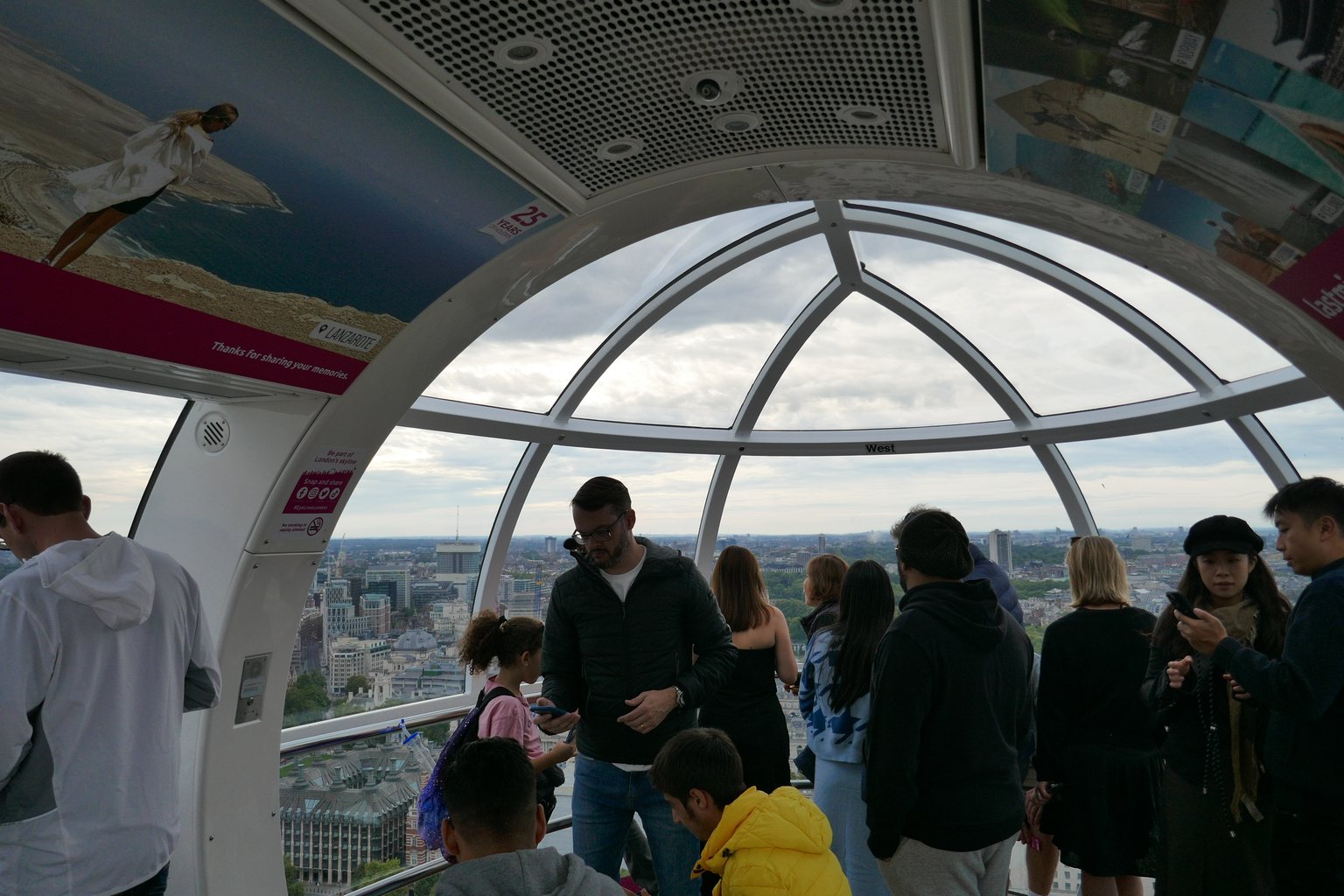
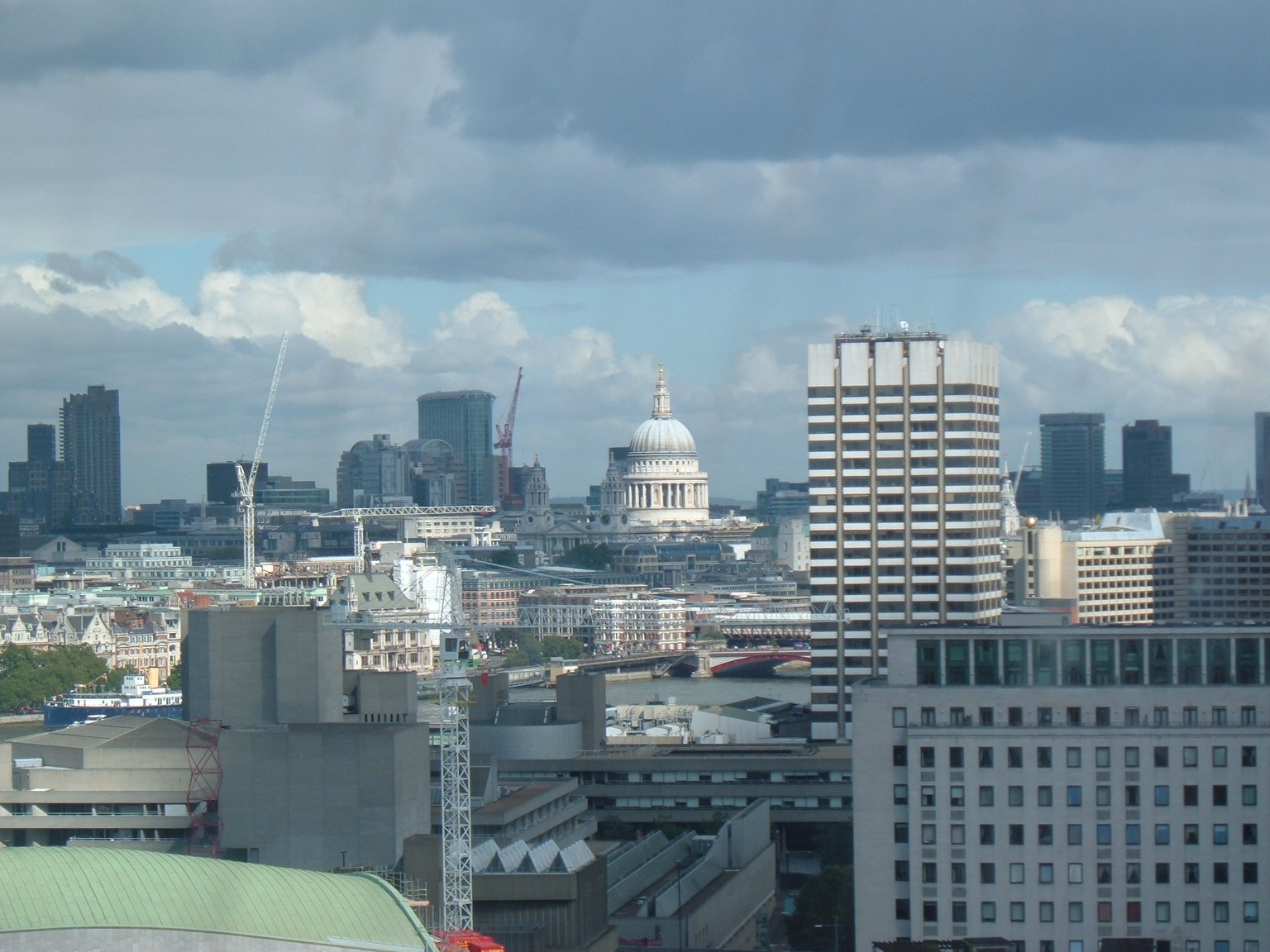
From the top you can see up to 40 km on a clear day. The turn is so gentle that it is easy to lose your bearings, so here is where each landmark lies, measured from the wheel in a straight line:
| Houses of Parliament and Big Ben | South-west, just across the river, about 450 m |
| Buckingham Palace | West, 1.6 km |
| St Paul’s Cathedral | North-east, 1.9 km |
| The Shard | East, 2.3 km |
| Tower Bridge | East, downriver, 3.1 km |
| Windsor Castle, only on a very clear day | West, 33.6 km |
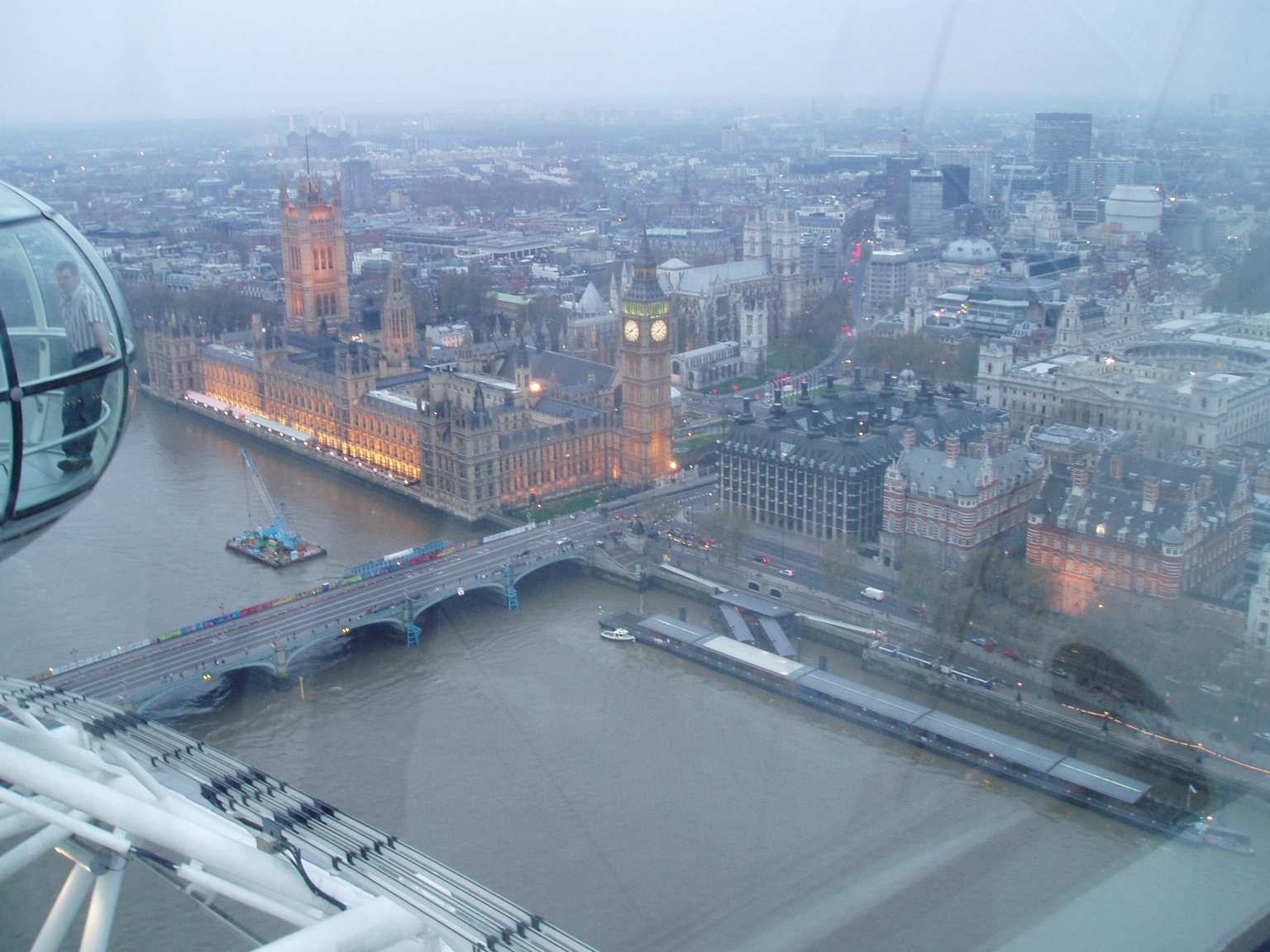
Parliament is the one you cannot miss: the higher you go, the more of its long river front you take in. On a good day the list goes on: HMS Belfast, Tate Modern, the Olympic Park and Wembley. Windsor is the one you have to earn.
London Eye history: from a 1993 competition to a landmark that stayed
The wheel began as a competition entry. In 1993 the Sunday Times and the Architecture Foundation asked for ideas for a landmark to mark the millennium, and a married couple of architects, David Marks and Julia Barfield, proposed a giant wheel beside the river. They drew about 100 versions before the final one. The Evening Standard ran a campaign called Back the Wheel, and British Airways put in money.
Work began in 1998. The wheel was assembled lying flat over the Thames, on platforms standing on piles in the river, with the parts brought in by barge. Then cable jacks raised it slowly, at 2 degrees an hour, until it stood upright. The parts came from 6 countries; the capsules were made by Poma, in France.
Prime Minister Tony Blair opened it on 31 December 1999, and the public got on board in March 2000. It was called the Millennium Wheel, and it was meant to stand for a few years and then be taken down and moved. It stayed: it turned 25 in 2025 and carries more than 3 million passengers a year.
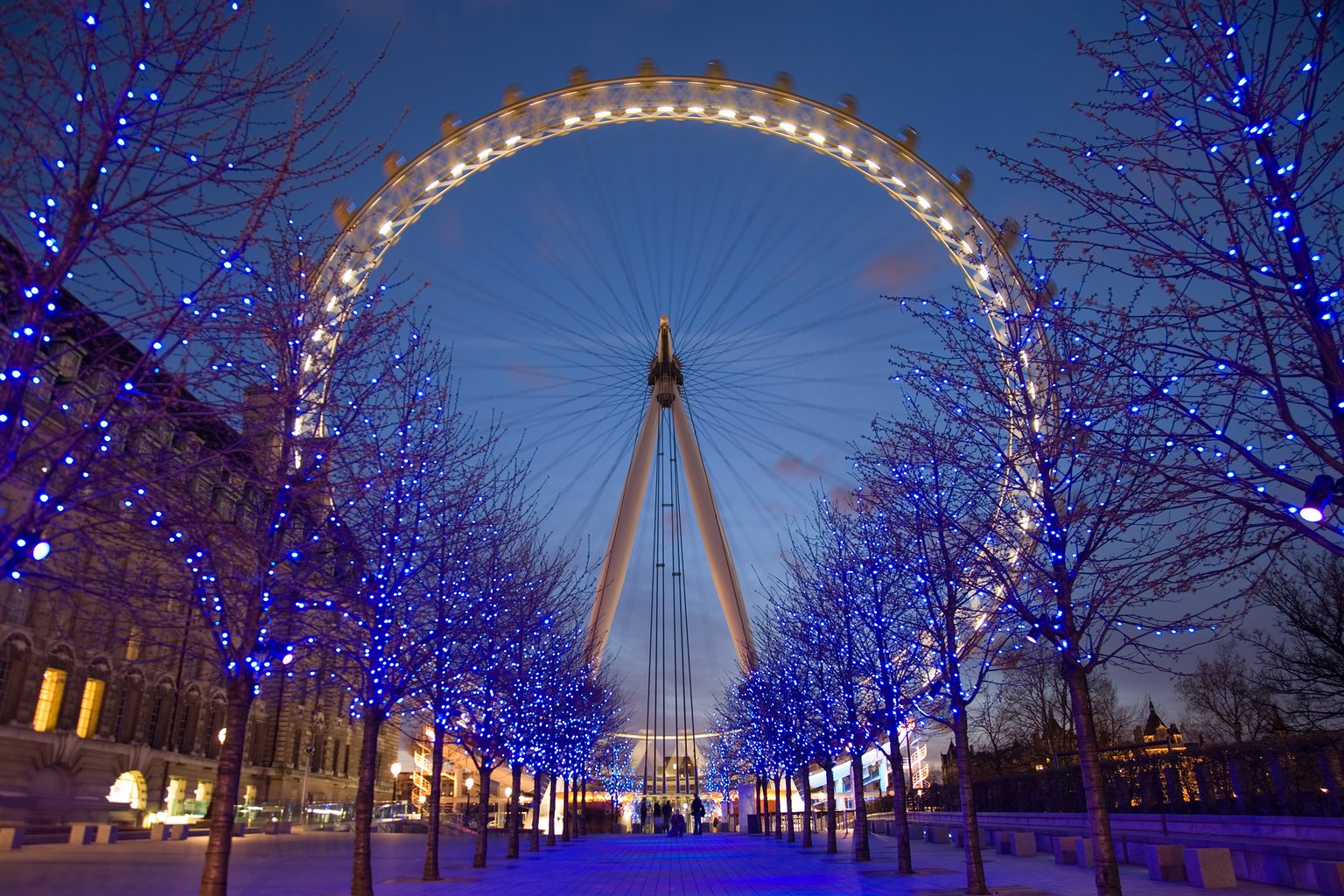
Look at it from the side and you see what makes it unusual. The 120 m wheel is cantilevered: it hangs from one side only, held out over the river by an A-shaped frame, and the whole structure stands 135 m tall. Its 32 capsules stand for London’s 32 boroughs, yet they are numbered 1 to 33: there is no number 13. On 2 June 2013 one of them was named the Coronation Capsule, for the 60th anniversary of the coronation of Elizabeth II.
Getting there and step-free access
The London Eye is at Riverside Building, County Hall, Westminster Bridge Road, London SE1 7PB, on the south bank, opposite Big Ben and the Houses of Parliament. The closest Tube station is Waterloo (Bakerloo, Jubilee, Northern and Waterloo & City lines), about 5 minutes on foot from the South Bank exit. From Westminster, take exit 1 and cross Westminster Bridge with Big Ben behind you. From Embankment or Charing Cross, on the north bank, it is 10 to 15 minutes across Hungerford Bridge. River boats stop at London Eye Pier, right beside the wheel, and several bus routes stop about 200 to 250 m away at County Hall, the 12, 77, 159 and 381 among them.
The London Eye is fully accessible: a ramp and doors 37 inches (about 94 cm) wide take powered wheelchairs and scooters, and the staff can slow the wheel down for boarding. Space is limited to 2 wheelchairs per capsule and 8 on the whole wheel at a time, so book a wheelchair slot in advance: at busy times they sell out. A carer rides free with at least 1 paid ticket and proof of disability, and an equivalent document from your own country is accepted. If you cannot stand in a queue, you can board through the Fast Track entrance. Ear defenders can be borrowed for a £5 deposit.
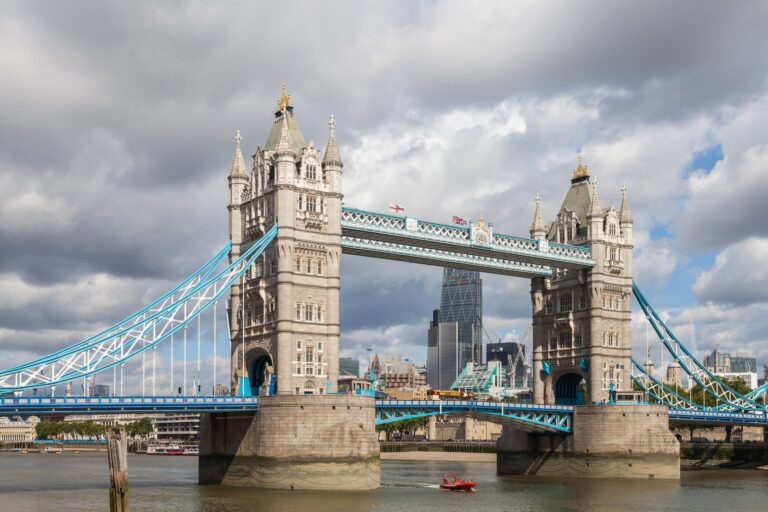
Big Ben is about 450 m away in a straight line, just across the river. Tower Bridge, the one you spotted to the east from the top, is about 3.1 km downriver and has its own free audio guide; it takes its last visitors at 17:00, so ride the wheel in the morning and cross the city after lunch. More London guides are on the free audio guides of London page.
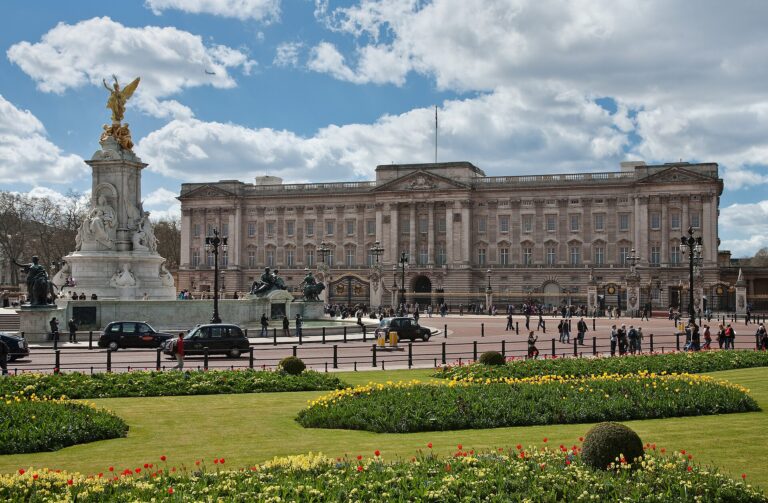
About 1.6 km to the west as the crow flies, across the river and St James’s Park, stands Buckingham Palace, the King’s official London residence: the Changing of the Guard takes place in its forecourt.
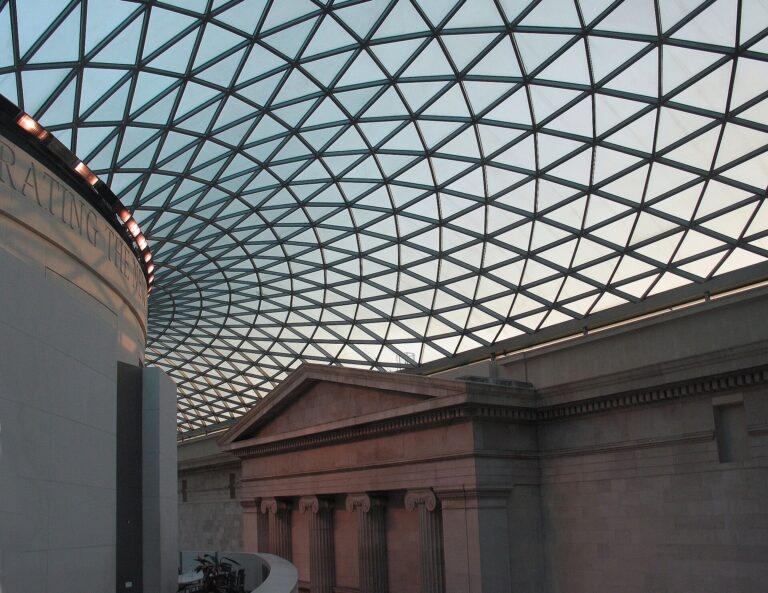
About 1.9 km to the north, across the river, is the British Museum, free to enter and open daily from 10:00 to 17:00 (until 20:30 on Fridays): the Rosetta Stone is in Room 4 and the Parthenon sculptures in Room 18.
Reading this in Spanish? The same guide, written for a Spanish-speaking visitor and narrated in Spanish, is at London Eye en vozviajera.com.
Where to find it
FAQs
How do the free audio guides work?
Our audio guides work through the website audioguidetravel.com; you don’t need to download any app. Just follow the instructions on the website to guide you through London Eye: free audio guide, tickets and opening hours while listening to our experts’ explanations.
Can I take the tour at my own pace?
Of course! Our free audio guides are designed so that you set the pace. You can pause, rewind, or listen as many times as you want without missing a detail. By visiting London Eye: free audio guide, tickets and opening hours your way, you’ll enjoy it even more.
If I'm in a group, can we use the same audio guide?
Yes, our website allows sharing the same free audio guide among multiple devices. This way, you can visit London Eye: free audio guide, tickets and opening hours as a group or family, listening to the explanations simultaneously. The quickest way to do this is to share the link via WhatsApp, email, or any method you like. I’ve included some buttons below for you to do that now.
Visitor information
As of 27 Sep 2026- Opening hours
- Changes from day to day, even within a week: check the official page. Closed 25 Dec and in Jan for upkeep.
- Tickets
- Adult (16+) from £29 online, £39 at the desk; child 2 to 15 from £26 online; under 2 free (book them).
- Time needed
- The ride lasts 30 minutes; allow about 1 hour 15 minutes with the queue and the security check.
- Getting there
- Tube: Waterloo, 5 min on foot; or Westminster and cross the bridge with Big Ben behind you.
- Accessibility
- Step-free: max 2 wheelchairs per capsule and 8 on the wheel, so book a wheelchair slot. Carer free.
- Tip
- Your ticket time is when you join the queue, not when you board: be on time and allow 20 to 30 min.
- Official website
- www.londoneye.com
Nearby
More free audio guides in London
 2:44LondonTower Bridge: free audio guide, hours and ticketsTower Bridge is the bascule bridge that Horace Jones and John Wolfe Barry designed and that went up…
 3:04LondonBritish Museum: free audio guide, opening times and ticketsThe British Museum is London’s great museum of human history. It was founded in 1753, opened in 1759…
 2:44LondonBuckingham Palace: free audio guide, tickets and opening timesBuckingham Palace began as a townhouse built in 1703 for the Duke of Buckingham and became a palace…