
Tower of London: free audio guide, hours and tickets
Free audio guide in English · no app, no sign-up
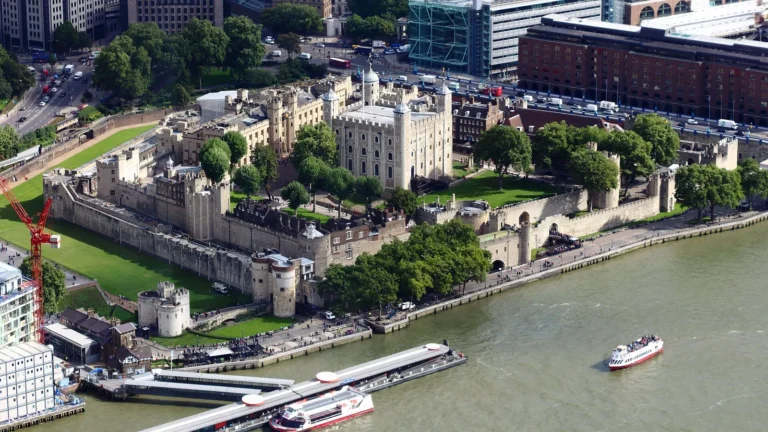
The Tower of London is the royal fortress on the Thames whose heart, the White Tower, William the Conqueror began building from 1078. Winter hours from 25 October 2026: closes 4.30pm, last entry 3pm; £38 adults. This free audio guide lasts about 4 minutes and takes you from the White Tower to Tower Green, the ravens and the Crown Jewels.
 Audio guide
Before you go in
The few things that change your visit.
- Winter hours from 25 October 2026: closes 4.30pm, last entry 3pm; £38 adults
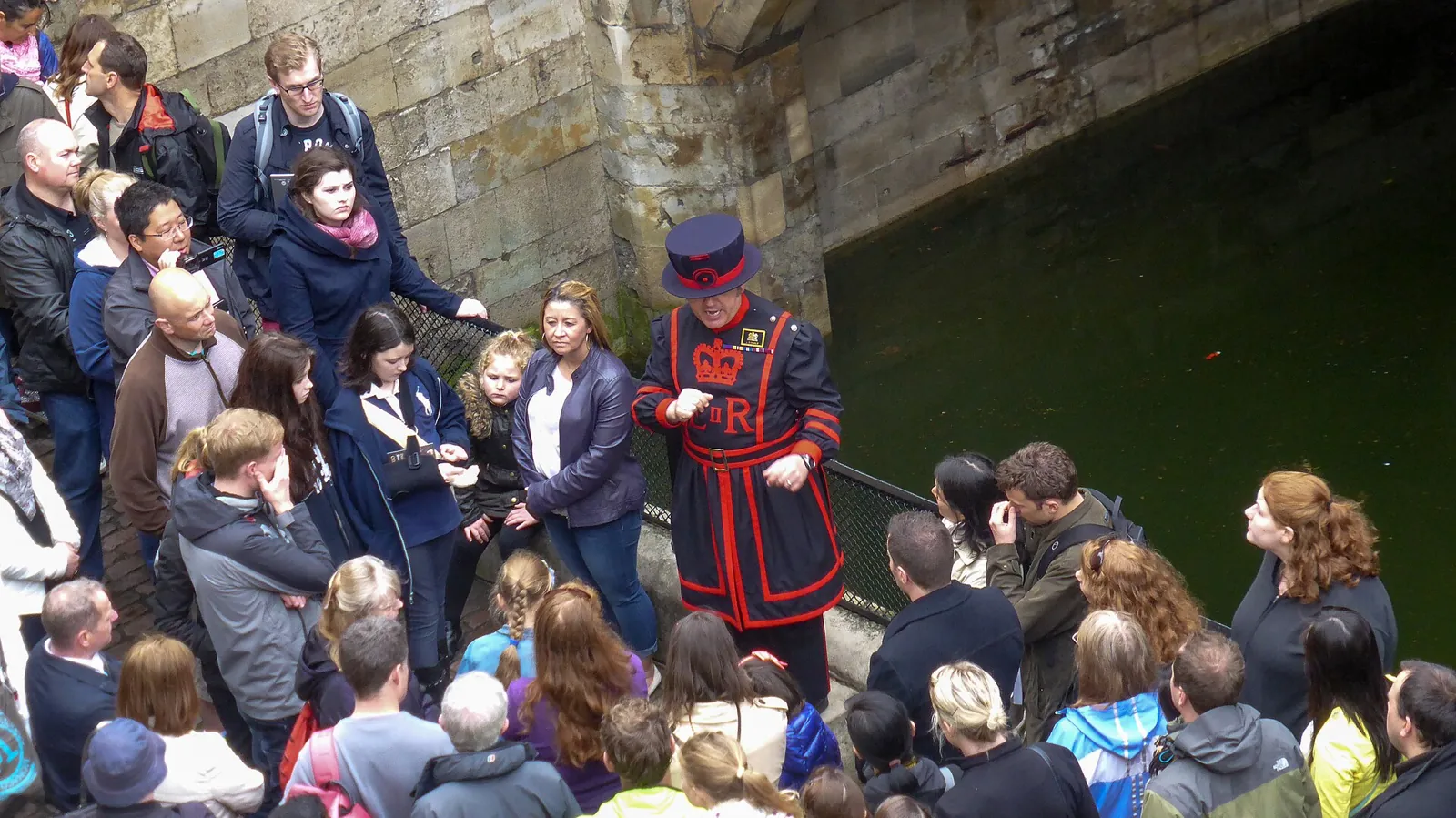
- Your ticket includes the Crown Jewels, the White Tower and a Yeoman Warder tour; the last one leaves at 2.30pm
- From the White Tower of 1078 to the execution of Anne Boleyn
- Tower Hill Underground (District and Circle lines), 5 minutes on foot
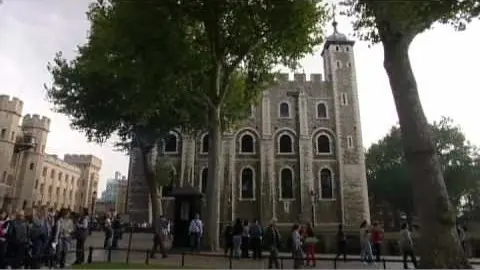
The Tower of London is the royal fortress on the north bank of the Thames whose heart, the White Tower, William the Conqueror began building from 1078. Over the centuries it was a palace, an armoury, a mint and a prison, and it still guards the Crown Jewels. This free audio guide lasts about 4 minutes and takes you from the White Tower to Tower Green, the ravens and the Jewel House.
What the audio guide covers
Press play outside the entrance or once you are through the gate, and let it walk you round the inner ward at your own pace. It has 6 stops:
| The White Tower | Why a Norman king built a great stone keep beside the river, and what it was meant to say to London. |
| Palace, armoury and prison | How later kings added walls and towers, and the Line of Kings inside the keep. |
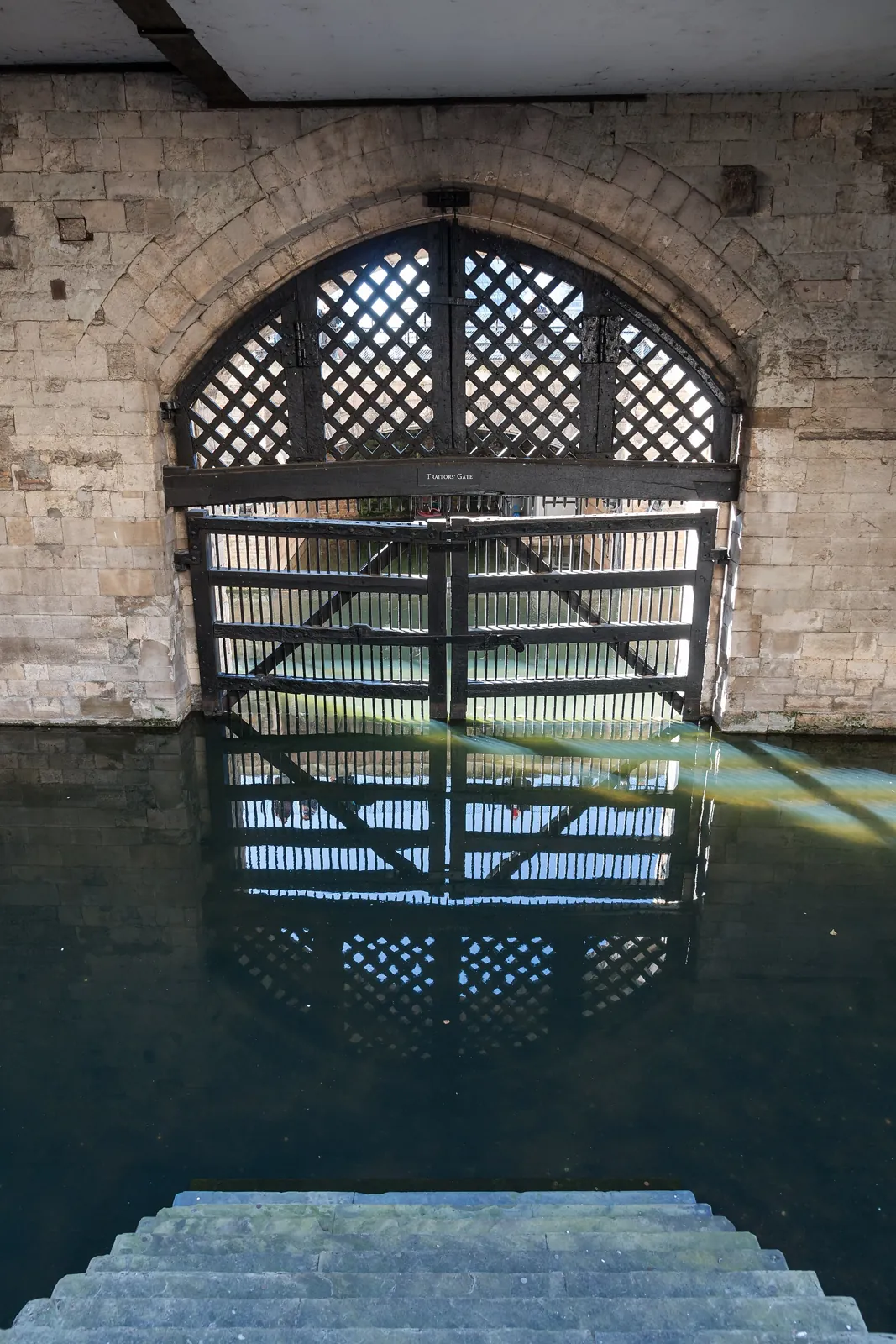
| Traitors’ Gate | The water gate from the Thames, and the prisoners who came in by boat. |
| Tower Green | Anne Boleyn, executed within the Tower on 19 May 1536, Lady Jane Grey, and the Princes in the Tower, never seen again after 1483. |
| The ravens | The legend that keeps them at the Tower, and the Ravenmaster who looks after them. |
| The Crown Jewels | The Jewel House, and the nightly Ceremony of the Keys that locks the Tower up. |
Put your headphones on and let the audio lead you from the White Tower to the Crown Jewels. If the signal is weak inside the thick walls, start playing it where you have good coverage, before you go in.
Opening hours and tickets
From 25 October 2026 the Tower is on its winter hours: it closes at 4.30pm, last entry is at 3pm and the last Yeoman Warder tour leaves at 2.30pm. It usually opens at 9am from Tuesday to Saturday and at 10am on Sundays and Mondays, although in some weeks it opens at 9am every day it is open, such as the week of 25 October and from 27 December to 2 January. Winter hours run until 28 February 2027; from 1 March it closes at 5.30pm again. It is closed on 24, 25 and 26 December 2026 and on 1, 4 and 5 January 2027.
Ticket prices, bought online or on the day at the ticket office:
- Adults (18-64): £38, or £41.80 with the optional 10% donation.
- Children (5-15): £19. Young people aged 16-17 also pay £19; ID may be required.
- Seniors 65+, students and disabled visitors: £30.30. A carer goes free.
- Under 5s: free, with no ticket needed.
- £1 tickets: for people receiving benefits such as Universal Credit or Pension Credit, for up to 4 people in the household, booked online. Residents of Tower Hamlets can also get £1 tickets at the ticket office.
What to see inside the Tower
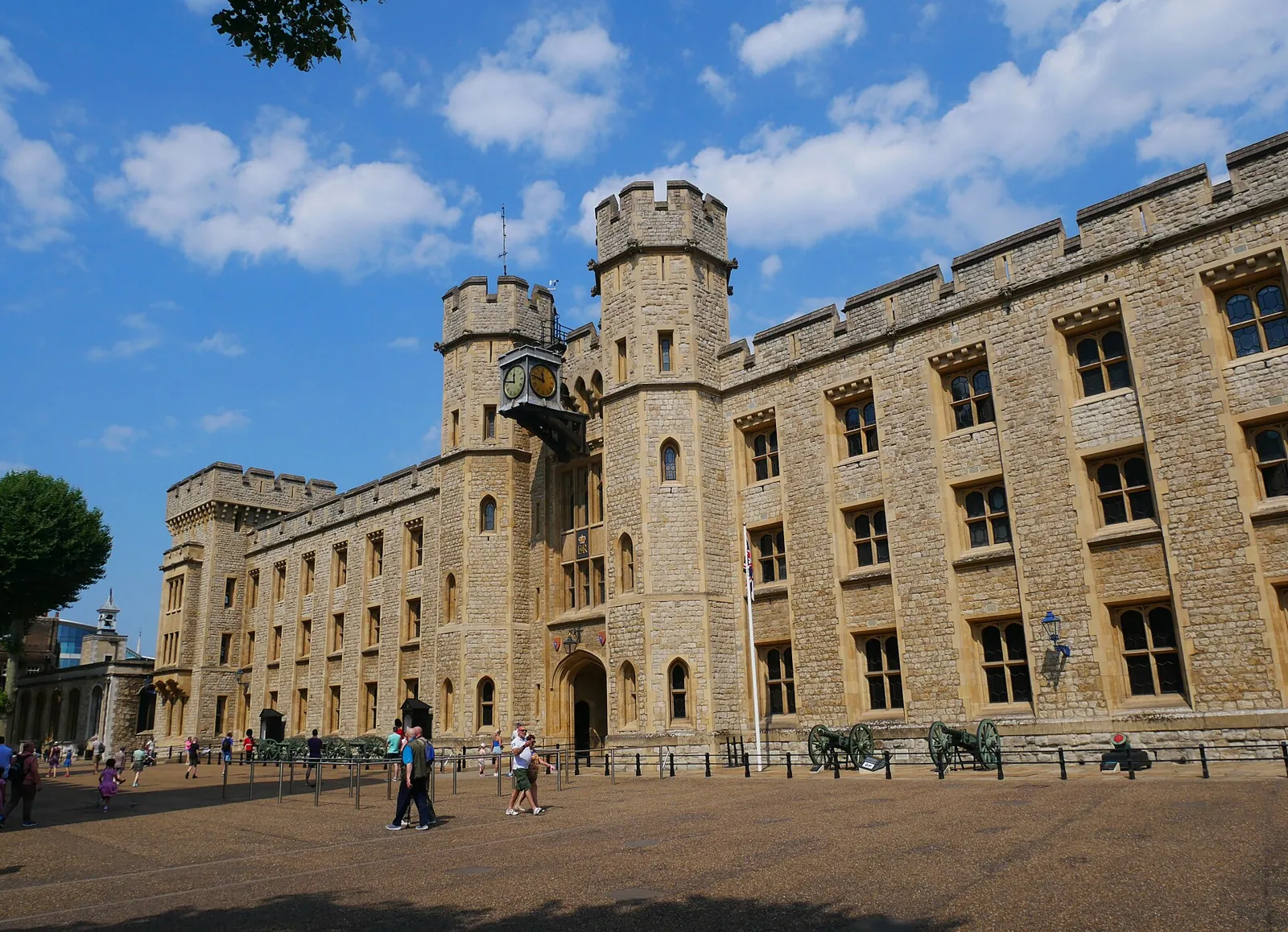
Start with the Crown Jewels in the Jewel House, in the Waterloo Block. A moving walkway carries you past the cases, and the staff will stop it if you need a pause; the rooms are kept dim to protect what is on show.
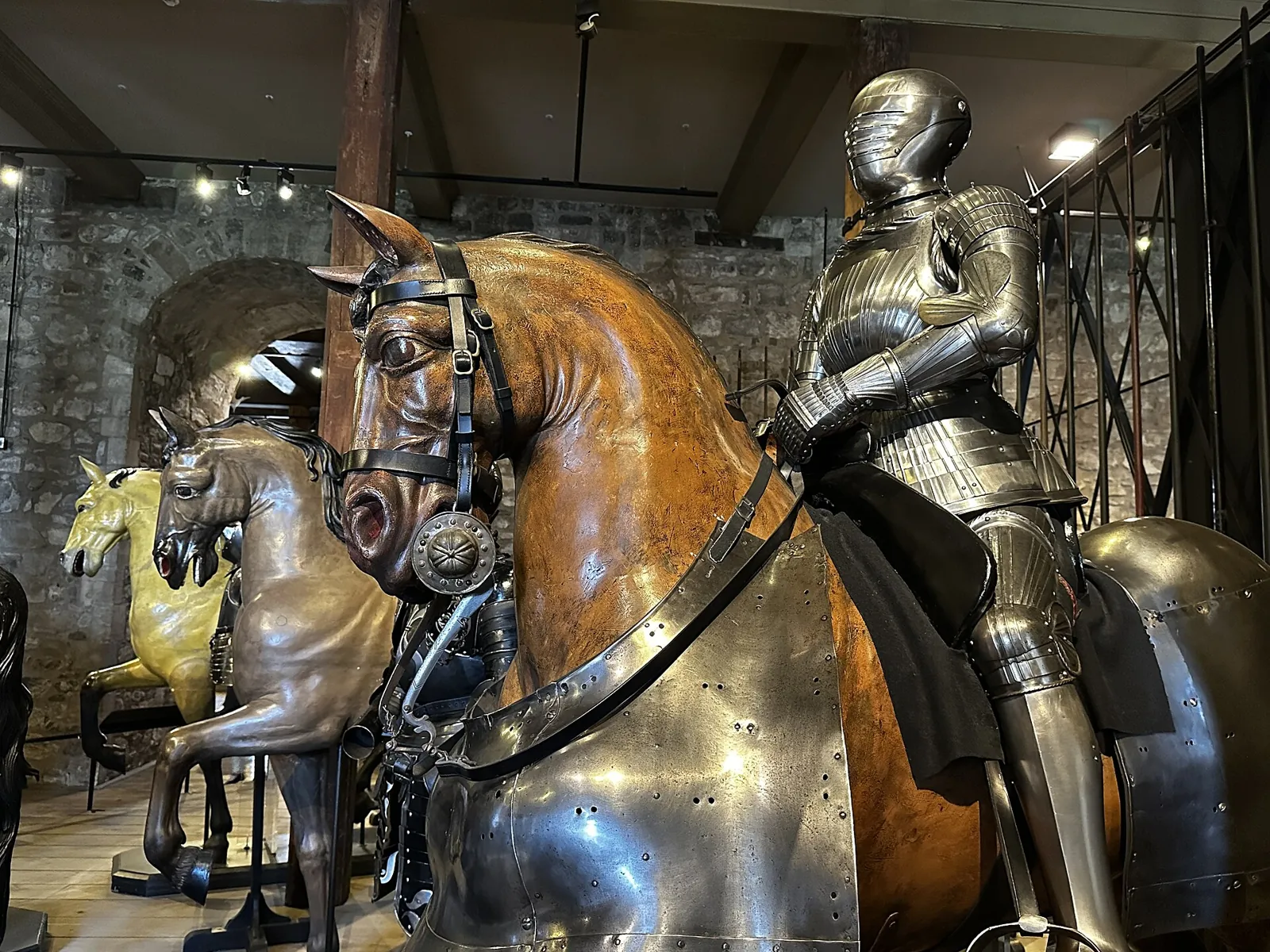
In the White Tower, the Norman keep, you will find the Chapel of St John the Evangelist, the Line of Kings, armour displayed on carved wooden horses, and the Armoury in Action exhibition on the second floor.
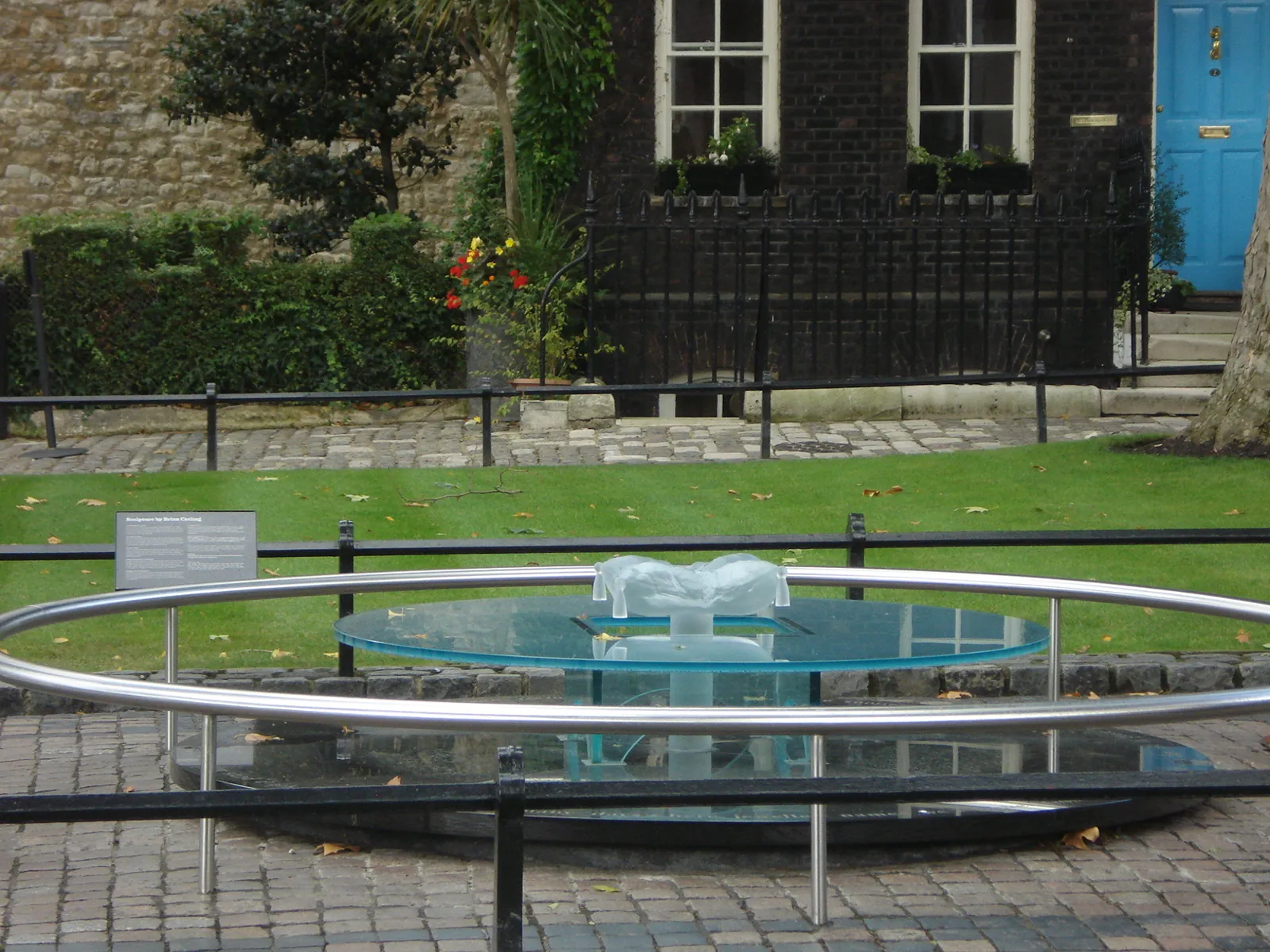
Outside, on Tower Green, a glass memorial remembers those executed within the Tower, and next to it stands the Chapel Royal of St Peter ad Vincula, where Anne Boleyn is buried. Leave time for the walls, the Bloody Tower, the Medieval Palace, Mint Street and the exhibitions on imprisonment and torture at the Tower, and look out for the ravens around the grounds.
The Tower in 5 moments
From 1078: the White Tower. After the Norman Conquest, William the Conqueror built a stone keep on the edge of the city, to control London and to show who was in charge now. Everything else grew around it.
The 13th century: the Crown Jewels. Keeping the royal regalia here is a tradition that probably goes back to the reign of Henry III. Later kings added the rings of walls and towers that you walk through today.
1483: the Princes in the Tower. The boy king Edward V and his younger brother Richard were taken to the Tower in 1483 and were never seen again.
19 May 1536: Anne Boleyn. Henry VIII’s second wife was beheaded inside the Tower walls. Lady Jane Grey, the Nine Days’ Queen, was also executed within the Tower.
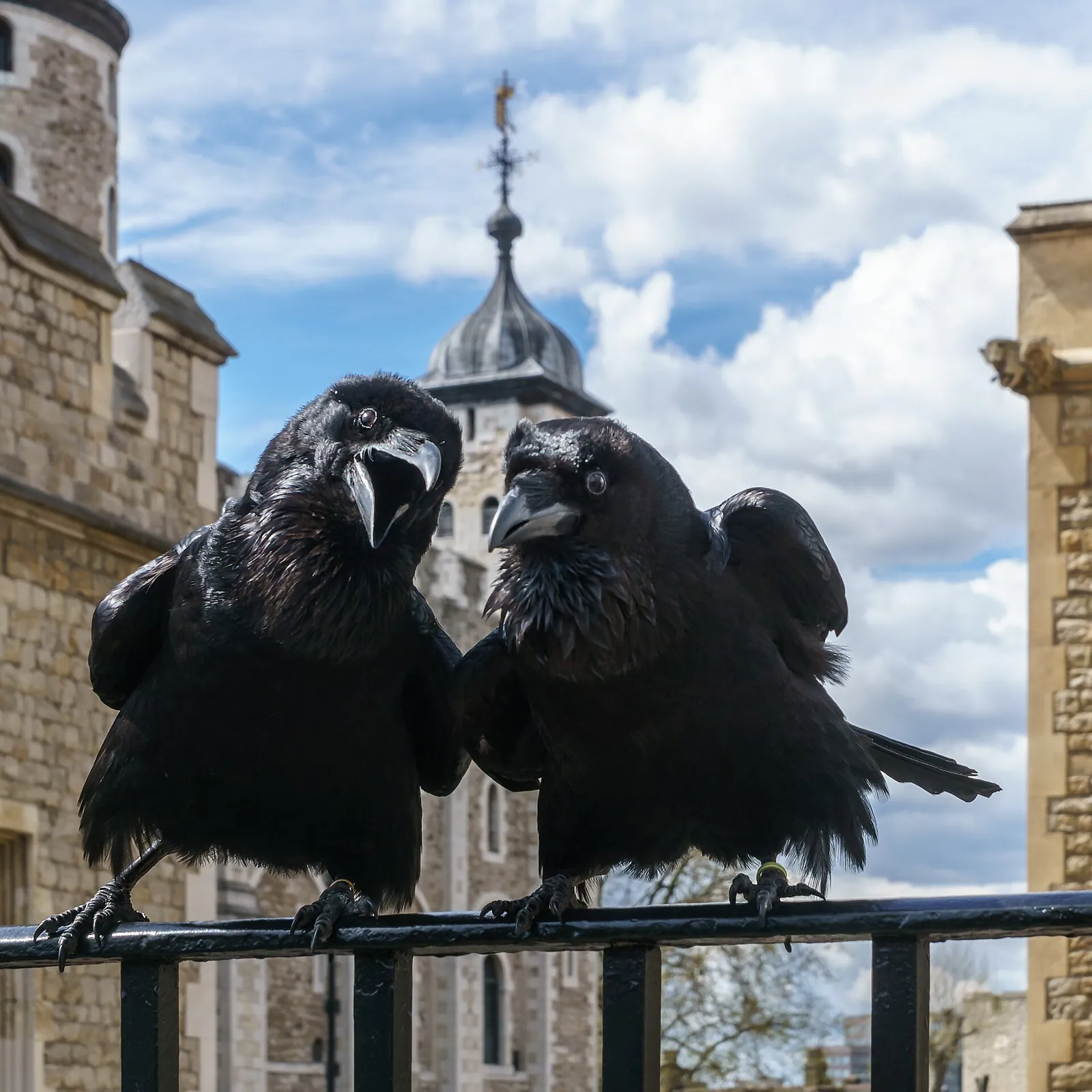
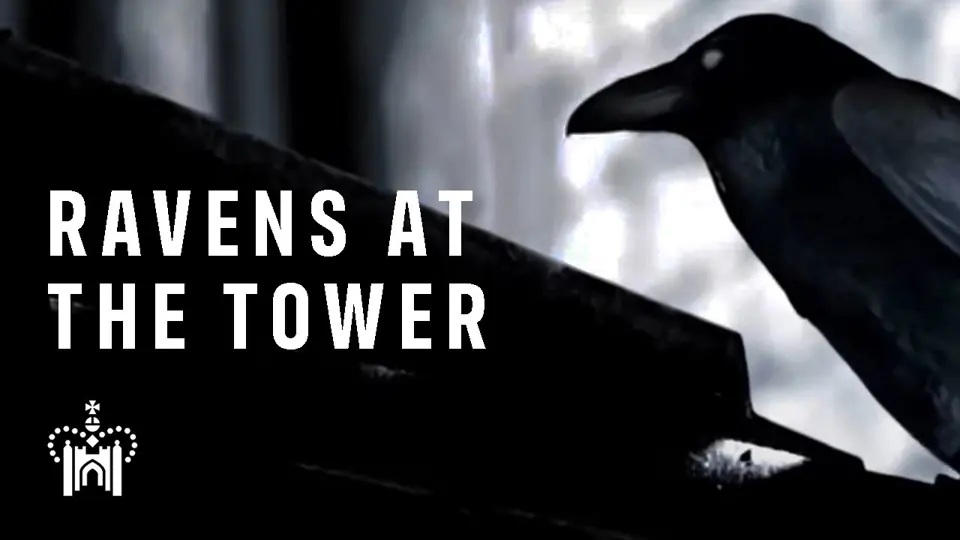
Every night: the ravens and the keys. The ravens are cared for by the Ravenmaster, and legend says the kingdom will fall if they ever leave the Tower. When the visitors have gone, the Ceremony of the Keys locks the fortress up for the night.
Getting there and accessibility
The Tower of London is at EC3N 4AB, beside the Thames. The nearest Underground station is Tower Hill, on the District and Circle lines, about 5 minutes on foot.
It is a historic site, with spiral staircases, cobbled paths and low doorways, and wheelchair access is limited. The Jewel House has level access, a platform lift takes you into the Chapel Royal of St Peter ad Vincula, and free wheelchairs are lent on entry, first come, first served; they cannot be booked in advance. There is no lift or ramp to the Battlements, the Bloody Tower or the Imprisonment at the Tower exhibition, and the lift in the White Tower only goes down to the shop in the basement. Lighting is low in the Jewel House, on the Battlements, in the Bloody Tower and in the Torture at the Tower exhibition. Assistance dogs are welcome, and there are also toilets in the Salt Tower and the Cradle Tower.
More London audio guides
About 300 m away, down by the river, is Tower Bridge, the bridge that opens to let ships through; inside, you can walk its high-level walkways, 43.5 m above the Thames, with a glass floor.
The other great chapter of London is in the west, at Westminster, and you can get there without changing trains: Tower Hill and Westminster are on the same District and Circle lines, 7 stops apart. From Westminster station it is a short walk to Westminster Abbey, and across Westminster Bridge, about 450 m away on the other bank, turns the London Eye, the 135 m wheel. You will find the rest in our free London audio guides.
 Free audio guideTower Bridge
 Free audio guideWestminster Abbey
 Free audio guideLondon Eye
Where to find it
FAQs
How do the free audio guides work?
They play right here on audioguidetravel.com, with no app to download and no sign-up. Press play and listen as you walk round: a phone and a pair of headphones are all you need. The audio streams from this page, so you’ll need mobile data or Wi-Fi.
Can I take the tour at my own pace?
Of course! You set the pace: pause whenever you like, jump back or forward 15 seconds, or tap the bar to jump to any point, and listen as many times as you want so you don’t miss a thing.
If I'm in a group, can we use the same audio guide?
Yes. The same free audio guide opens on as many phones as you like, so you can go round together as a group or with your family, each person at their own pace and with their own headphones. The quickest way is to send the link via WhatsApp, Telegram or however you like: the buttons just below let you share it right now.
Visitor information
As of 25 Oct 2026- Opening hours
- From 25 Oct 2026 (winter): closes 4.30pm, last entry 3pm, until 28 Feb 2027
- Tickets
- £38 adults; £19 ages 5–17; £30.30 seniors 65+, students, disabled; under 5s free
- Time needed
- Audio guide about 4 min; allow up to 2 to 3 hours. The Yeoman Warder tour is included.
- Getting there
- Tower Hill Underground (District and Circle lines), about 5 minutes on foot.
- Accessibility
- Jewel House step-free; no lift to the Battlements or Bloody Tower; free wheelchairs
- Tip
- Quieter after midday, or before 11am outside school holidays; there is no re-entry
- Official website
- www.hrp.org.uk
Nearby
More free audio guides in London
 3:51LondonCamden Market, Camden Town: free audio guide, hours and getting thereCamden Market is the sprawling market of vintage clothes, vinyl, crafts and street food beside Regent’s Canal in…
 2:32LondonLondon Eye: free audio guide, tickets and opening hoursThe London Eye is the 135 m observation wheel that David Marks and Julia Barfield designed for the…
 3:30LondonTrafalgar Square: free audio guide, Nelson’s Column and the lionsLondon’s best-known meeting point, Trafalgar Square is where Nelson stands on top of his column, 4 bronze lions…